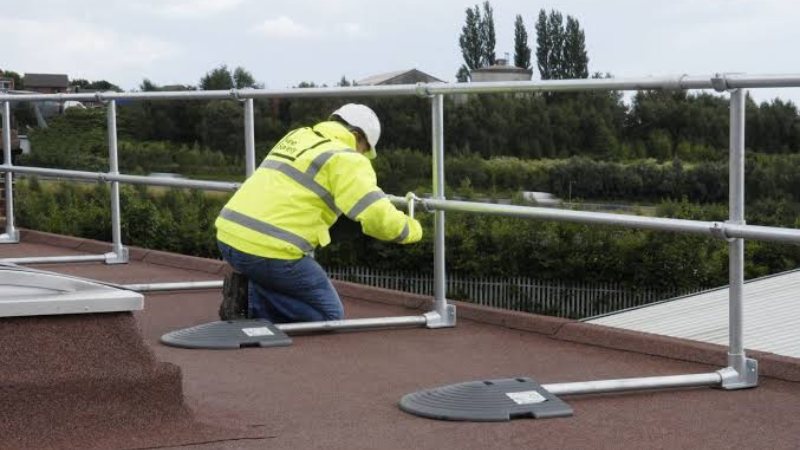
Construction sites are inherently hazardous environments. Among the numerous safety measures that need to be implemented, ensuring fall prevention is paramount. One of the most effective methods for fall prevention is the use of edge protection systems, which play a crucial role in safeguarding construction workers.
What are Edge Protection Systems?
Edge protection systems are designed to prevent falls from height by providing a barrier along the edges of raised surfaces. They generally include guardrails, safety nets, or other physical barriers that help maintain the safety of workers operating at elevated levels.
Importance of Edge Protection Systems in Construction
The implementation of edge protection systems is vital to meet safety regulations and reduce the risk of accidents. These systems not only protect the workers but also help in preventing materials and tools from falling, thereby reducing potential hazards for those working below.
Types of Edge Protection Systems
There are several types of edge protection systems used in the construction industry, each suited for different scenarios:
Guardrail Systems
Guardrails are the most common form of edge protection. They are easy to install and provide a durable solution for securing the edges of flat surfaces like rooftops and scaffolding.
Safety Nets
Safety nets offer fall arrest when working at great heights. They are typically used in conjunction with guardrails for extra safety and are especially useful in scenarios where guardrails alone do not suffice.
Temporary Edge Protection
For projects that require adaptable solutions, temporary edge protection systems are ideal. These systems can be easily erected and dismantled, providing flexibility during short-term projects.
Technological Advancements in Edge Protection
Technological advancements have introduced innovative edge protection systems that boast improved safety features. These modern systems often incorporate lightweight materials and enhanced design features which facilitate easier installation and provide adjustable configurations to fit various site requirements.
Compliance with Safety Standards
Edge protection systems must comply with specific safety standards and regulations. Ensuring compliance is crucial not only to avoid legal penalties but also to ensure the wellbeing of all site personnel.
Choosing the Right Edge Protection System
When selecting an edge protection system, it is important to consider factors such as the nature of the construction project, the height of the working surface, and local regulation requirements. A thorough risk assessment should be conducted to identify the appropriate system that will best prevent falls and enhance overall site safety.
Installation and Maintenance
The installation of edge protection systems should be performed by trained professionals. Regular maintenance checks and inspections should be conducted to ensure their integrity and effectiveness. Any damage or wear must be addressed immediately to maintain safety standards.
Case Studies and Real-World Applications
Several construction projects have successfully implemented advanced edge protection systems, resulting in significant reductions in fall-related accidents. These real-world applications highlight the effectiveness of these systems in providing a safer work environment.
Future of Edge Protection Systems
As construction practices continue to evolve, the demand for more advanced and efficient safety systems will grow. The industry can expect to see further innovations in edge protection technology, with new products designed for optimal safety and usability.
Conclusion
Edge protection systems are essential components of construction site safety protocols. By incorporating cutting-edge technology and adhering to safety standards, these systems significantly enhance the overall safety of the work environment, protecting both workers and equipment from the risks associated with working at height.