
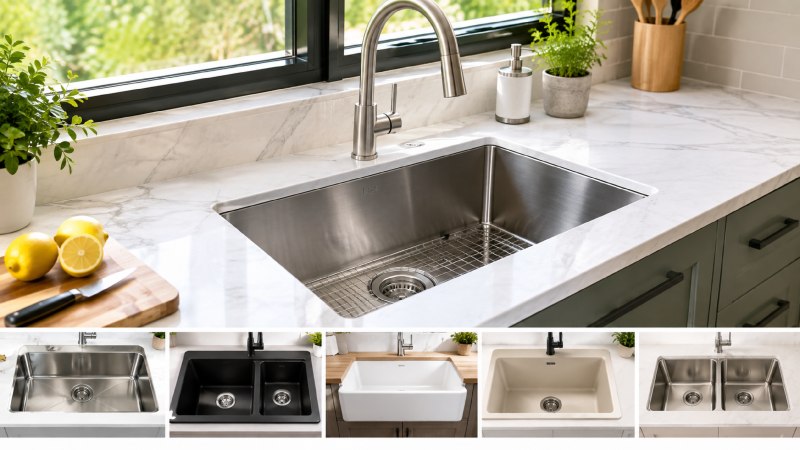
Selecting the ideal kitchen sink is a crucial element in designing a functional and attractive kitchen. This comprehensive guide explores the various factors involved in choosing the perfect kitchen sink for your home, providing essential information to aid in making an informed decision.
The range of kitchen sinks available in the market today caters to diverse needs, styles, and budgets. Understanding the different materials, styles, sizes, and installation methods will help homeowners choose a sink that complements their kitchen’s design and meets their practical requirements.
Types of Kitchen Sink Materials
Kitchen sinks are crafted from multiple materials, each offering unique benefits and drawbacks. Among the most common are stainless steel, acrylic, composite granite, cast iron, and ceramic.
Stainless Steel
Stainless steel sinks are popular due to their durability, resistance to stains and heat, and ease of maintenance. They suit contemporary and industrial kitchen designs well. The gauge of the steel indicates thickness and affects noise levels and sturdiness.
Acrylic
Acrylic sinks are lightweight, resistant to chips and cracks, and available in various colours. However, they may be less heat-resistant compared to metal sinks.
Composite Granite
Composite granite sinks combine crushed stone with resin to create a durable and attractive surface. They resist scratches and stains and offer a natural stone appearance.
Cast Iron
Cast iron sinks coated with enamel are robust and have a classic look. They can be prone to chipping if struck with heavy objects but are highly durable overall.
Ceramic
Ceramic sinks provide a smooth and glossy finish suitable for traditional kitchen settings. They require careful handling to avoid chipping.
Sink Configurations and Sizes
The choice of sink size and bowl configuration depends on kitchen size, user habits, and intended use. Single bowl sinks offer maximum space for washing large pots, whereas double bowl sinks provide flexibility for multitasking.
Triple bowl sinks are also available but are more suited to larger kitchens. Depth of the sink basin is another consideration, as deeper sinks can accommodate larger cookware but may require additional bending.
Installation Styles
Kitchen sinks can be installed in various ways including top-mount (or drop-in), undermount, farmhouse (apron front), and integrated sinks. Each style has aesthetic and practical implications.
Top-mount sinks are fitted into a pre-cut hole on the countertop with the rim visible. They are easier to install and replace. Undermount sinks are secured beneath the countertop, offering a seamless look and easier countertop cleaning.
Farmhouse sinks extend slightly beyond the cabinet edge and provide a distinctive rustic appearance. Integrated sinks are made from the same material as the countertop, offering a streamlined finish.
Considerations for Sink Accessories and Features
Adding accessories such as drainboards, colanders, cutting boards, and fitted covers can enhance the functionality of kitchen sinks. Additional features to consider include soundproofing technology, water-saving faucets, and compatibility with garbage disposals.
Matching the Sink to Kitchen Design
The perfect sink should harmonise with the kitchen’s overall design. Modern kitchens often benefit from stainless steel or composite granite sinks in minimalist shapes, while traditional kitchens may prefer ceramic or cast iron styles.
Maintenance and Durability
Ease of cleaning and long-term durability are vital considerations. Stainless steel and composite sinks generally offer excellent resistance to stains and damage, requiring minimal maintenance. Ceramic and cast iron need more careful handling to prevent chipping and damage.
Budget Considerations
Kitchen sink prices vary widely depending on material, size, and design. Setting a realistic budget will help narrow down options. Stainless steel sinks typically provide good value, whereas custom or designer sinks may command a premium price.
Environmental Impact
Selecting environmentally friendly materials and manufacturing processes is increasingly important for many homeowners. Stainless steel sinks are recyclable, and some composite sinks are manufactured with eco-friendly materials.
Professional Installation
While some sinks are suitable for DIY installation, professional installation ensures correct fitting, proper sealing, and compliance with plumbing standards, reducing the risk of leaks and damage.
Summary
Choosing the perfect kitchen sink involves evaluating materials, styles, installation methods, size, and additional features to find a solution that meets practical needs and complements kitchen design. With this guide, homeowners can approach the decision with confidence.
For a wide selection of quality kitchen sinks and expert advice, visiting a specialised supplier such as Tradelink can facilitate an informed and satisfying purchase.