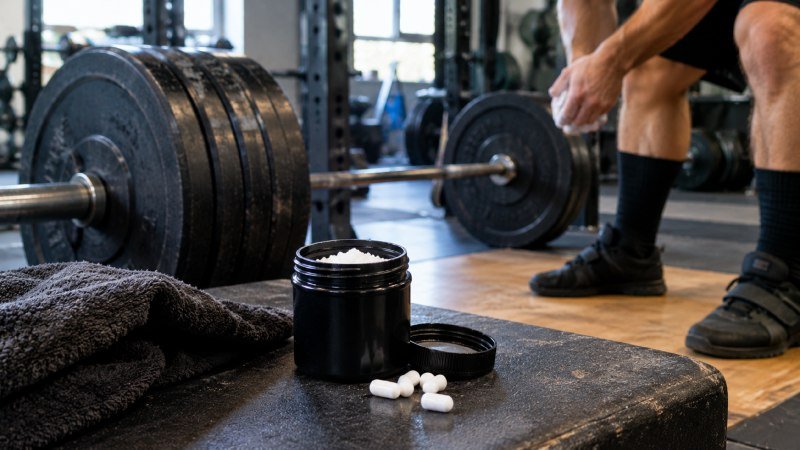
Serious training rooms now treat smelling salts as standard preparation equipment rather than a novelty reserved for competition day. The sharp ammonia vapor creates an immediate sensory response that helps lifters regain focus before a heavy attempt.
That explains why tubs and capsules disappear quickly in powerlifting, strongman, and contact-sport settings. Use still requires judgment, ventilation, and clear handling rules. Examining athletes’ routines more closely makes the reasons behind this change clearer.
Why Demand Has Increased
A busy training room needs preparation tools that support focus without adding complicated steps. Athletes typically use them shortly before a heavy lift, difficult drill, or high-pressure attempt. That practical role explains their growing presence in serious gyms.
The vapor irritates the nasal passages and produces a rapid inhalation response. That reaction increases alertness for a brief period, but it does not create new strength or replace proper preparation.
Training culture has also changed. More lifters now practice competition-style attempts during regular sessions, which increases demand for preparation tools beyond belts, wraps, chalk, and supportive clothing.
Gyms that serve powerlifters, strongman athletes, wrestlers, and football players often keep smelling salts near the platform or training floor. Regular use makes dependable stock more practical than occasional purchases.
What Serious Athletes Expect
Athletes usually want a product with a clear, immediate effect and predictable handling. A sealed container helps preserve the contents and limits unnecessary exposure inside a shared training room.
The format matters, too. Some users prefer a small capsule for individual sessions, while others choose a container that suits repeated use by several trained athletes.
A sensible buying decision starts with the room itself. Managers should consider how many people use the space, how often heavy attempts occur, and where the product will remain between sessions. Those details determine whether a compact option or larger supply fits the facility better.
How To Use Them Properly
Timing Matters
Smelling salts work best when used close to the effort that requires extra alertness. An athlete can open the container, take a brief exposure, and return attention to the setup.
Repeated use throughout a session reduces the tool’s practical value. It also turns a focused preparation aid into background noise before demanding attempts.
Most lifters should reserve smelling salts for top sets, personal-record attempts, or competition-style work. Routine warm-ups still require controlled breathing, gradual loading, and careful technique.
A coach or training partner should know when an athlete uses them. That awareness supports consistent timing and discourages casual passing around an open container.
Storage and Handling
Smelling salts should remain closed whenever nobody is using them. A secure container protects the contents, limits unnecessary vapor in the room, and reduces accidental exposure.
Training facilities should store them away from direct heat and keep them out of children’s reach. The product label should remain available so users can follow the manufacturer’s handling instructions.
Good ventilation matters, especially in smaller rooms. Athletes should never place the container directly against the nostrils or take prolonged exposure. Brief use provides the intended sensory response without excessive irritation.
Anyone with asthma, respiratory sensitivity, or a relevant medical condition should consult a qualified clinician before using ammonia-based inhalants. Coaches should never pressure athletes to use them.
Where They Fit In Preparation
Smelling salts have a narrow purpose, which makes them easier to manage within a structured training plan. They support alertness before a demanding effort, but they do not improve movement quality, repair fatigue, or correct poor programming.
A complete preparation routine still starts with sleep, food, hydration, mobility work, and progressive warm-up sets. Athletes who use inhalants to compensate for exhaustion increase the chance of poor decisions under load.
The same principle applies to younger athletes and beginners. New lifters need coaching, stable technique, and appropriate loading before adding any preparation aid. Experienced users can judge timing more accurately because they recognize their individual response.
Gym owners can support responsible use through simple rules. Containers should have a fixed storage location, users should close them immediately, and coaches should explain that exposure must remain brief.
Conclusion
Smelling salts have earned more space in serious training rooms because athletes use them for a narrow, immediate purpose: regaining alertness before demanding efforts. They do not replace sleep, food, hydration, warm-ups, or sound coaching.
A gym manager should store them securely, limit access to trained users, and explain sensible timing. Lifters should test their response during routine sessions, then reserve them for attempts that genuinely require extra focus.