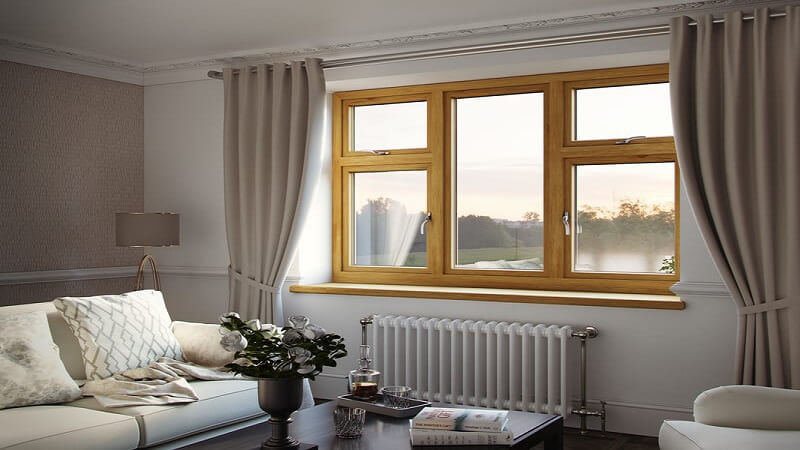
Timber windows offer a beautiful and practical choice for UK homeowners who want to improve their property. These windows combine natural beauty with excellent energy efficiency and can last for decades with proper care. Timber windows typically cost between £500 and £2,000 per window in the UK, depending on the wood type, size, and design you select.
This guide will walk you through everything you need to know about timber windows for your home. You will learn about different window types, how to pick the right wood material, and what factors affect the final cost. By the end, you will have the knowledge to make a confident decision about your new windows.
Understanding Timber Windows
Timber windows are made from natural wood and designed to be both practical and attractive for UK homes. When choosing timber windows, factors like the type of wood, environmental impact, and available styles all help you decide what works best for your property.
You can incorporate timber windows for your UK home, which is a good choice because they naturally insulate your home, helping to keep heat in during winter and keep rooms cooler in summer. They also have a classic look that suits many home styles, from traditional houses to modern designs. Another advantage is that timber can be repaired, sanded, and repainted over time, which helps the windows last much longer.
How to Choose the Right Timber Windows for Your Home
Selecting timber windows requires you to weigh material benefits against alternatives, understand energy performance standards, plan for upkeep requirements, and set a realistic budget that matches your needs.
1. Choosing the Right Type of Timber
Choosing the right timber is important because different wood species vary in durability, appearance, maintenance needs, and cost. Below are the most common types used for timber window frames, along with what makes each one suitable.
- Oak: Oak is one of the most widely used hardwoods for timber windows. It is naturally strong, dense, and highly resistant to decay, which makes it ideal for long-term use in outdoor conditions. With proper maintenance, oak windows can last for decades and gradually develop a distinctive silver-grey patina that many homeowners find attractive. Because of its durability and premium appearance, oak is often chosen for traditional or high-end properties.
- Pine and Redwood (Softwoods): Softwoods like pine and redwood are popular because they are more affordable and easier to work with than hardwoods. These timbers accept paints and stains very well, making them a practical option when homeowners want flexibility in colour and finish. While softwoods can perform well in window applications, they are less naturally resistant to moisture and rot, so they usually require more frequent maintenance and protective coatings to maintain longevity.
- Accoya (Modified Timber): Accoya is a specially modified timber created through a treatment process that changes the wood at a molecular level. This modification significantly improves dimensional stability, meaning the wood is less likely to swell, shrink, or warp when exposed to changing weather conditions. It also increases resistance to rot and insects. Accoya delivers performance similar to tropical hardwoods but is sourced from sustainably managed forests, making it a popular modern choice for long-lasting, low-maintenance timber windows.
- Idigbo and Meranti: Idigbo and meranti are tropical hardwood alternatives commonly used in window manufacturing. Both species offer good natural resistance to moisture and perform reliably in the UK’s changing climate. They provide a balance between durability and cost, often coming in at a lower price point than oak while still delivering solid longevity. These timbers are frequently selected when homeowners want the benefits of hardwood without the premium price.
2. Comparing Timber with Other Window Materials
Timber offers natural insulation properties that outperform aluminium and steel without thermal breaks. The cellular structure of wood creates a barrier that slows heat transfer. This means your home stays warmer in winter and cooler in summer.
uPVC windows cost less upfront but lack the character and repair options that timber provides. You can sand, paint, and restore timber frames multiple times over decades. uPVC cannot be repaired in the same way.
Aluminium frames suit modern designs but conduct heat rapidly without thermal breaks. They also require more energy to manufacture than timber from sustainable forests. Timber remains a renewable resource that stores carbon throughout its life.
The aesthetic appeal of timber surpasses synthetic materials. Real wood grain patterns and texture add warmth to any home style. You can customise timber with stains, paints, or natural finishes to match your property’s character perfectly.
3. Glazing and Energy Efficiency Considerations
Double-glazed timber windows meet current UK building regulations and provide adequate thermal performance for most homes. The gap between glass panes reduces heat loss and outside noise. Triple glazing adds another layer of protection but increases weight and cost.
Look for windows with U-values below 1.4 W/m²K to meet energy efficiency standards. Lower U-values indicate better insulation. Quality timber frames achieve U-values as low as 0.8 W/m²K with triple glazing.
Gas fills between panes improve performance. Argon gas is standard and offers better insulation than air. Krypton gas performs even better but costs more. The difference in your energy bills may not justify the extra expense for krypton in mild climates.
Low-emissivity (Low-E) glass coatings reflect heat back into your home during winter. These invisible layers can reduce energy loss by up to 30%. Most modern timber windows include Low-E glass as standard. You should also consider the spacer bars that separate glass panes, as warm-edge spacers reduce condensation and heat loss at window edges.
4. Maintenance and Longevity
Quality timber windows last 60 years or more with proper care. You need to inspect them annually for signs of moisture damage or paint deterioration. Early detection prevents costly repairs.
Modern factory-applied finishes reduce maintenance needs significantly. Microporous paints and stains allow wood to breathe while protecting against weather. You should repaint or restain external surfaces every 5-8 years depending on exposure.
Hardwoods like oak require less frequent treatment than softwoods. However, softwoods treated correctly perform well for decades at lower cost. The quality of the initial finish matters more than wood species for longevity.
Clean frames with mild soap and water twice yearly. Avoid harsh chemicals that strip protective coatings. Lubricate hinges and locks annually to keep hardware smooth. Check drainage holes at the bottom of frames stay clear to prevent water accumulation.
5. Cost Factors and Budgeting
Timber window prices range from £400 to £1,500 per window installed. Size, style, glazing type, and wood species all affect final costs. Casement windows typically cost less than sash designs.
Hardwood frames cost 20-40% more than softwood but offer greater durability and prestige. Softwood provides excellent value for most homes. Factory-finished windows add £50-£100 per window but save you time and provide better protection.
Installation represents 30-40% of total project costs. Professional fitting guarantees proper seals and operation. Poor installation causes draughts, leaks, and premature failure regardless of window quality.
Budget for future maintenance in your calculations. Set aside £30-£50 per window every 5-8 years for refinishing. This ongoing cost keeps your timber windows attractive and protected. Compare lifetime costs rather than just purchase prices to make informed decisions about material choices and quality levels.
6. Check the Company’s Background
Choosing the right timber windows is not only about the product — it’s also about the company you buy from. Before making a decision, take time to research the manufacturer or installer.
Look for companies with good reviews, clear customer feedback, and examples of past projects. A trustworthy company should be open about the materials they use, where the timber comes from, and what guarantees they provide. You should also check if they offer proper installation and aftercare support, since poor fitting can reduce performance even if the windows are high quality. Experience matters as well. Companies that specialise in timber windows usually understand things like wood treatment, weather protection, and long-term durability better than general window suppliers. Taking a few minutes to check their background can help you avoid problems and ensure you get windows that last.
Conclusion
Timber windows offer a smart investment for your UK home. They provide natural beauty, strong insulation, and long-term value that other materials struggle to match.
You need to consider your budget, home style, and maintenance preferences before you make a final choice. Softwood suits tight budgets, whilst hardwood delivers superior durability for period properties.
The right timber windows will serve your home well for decades. Take time to compare quotes, check specifications, and select a trusted installer for the best results.