Many dog owners face stress and damage at home because their dogs feel fear after they leave, and that fear often grows over time. They want safe ways to ease that fear, reduce panic, and help their dogs rest in peace during times alone.
The best calming options for separation anxiety include tools that provide gentle pressure, release soothing pheromones, offer steady comfort through familiar toys, and support relaxation with safe supplements and behavior aids. This article explores how each option works and how it can fit into a simple plan that helps a dog feel secure and settled at home.
Dog collars for calming anxiety
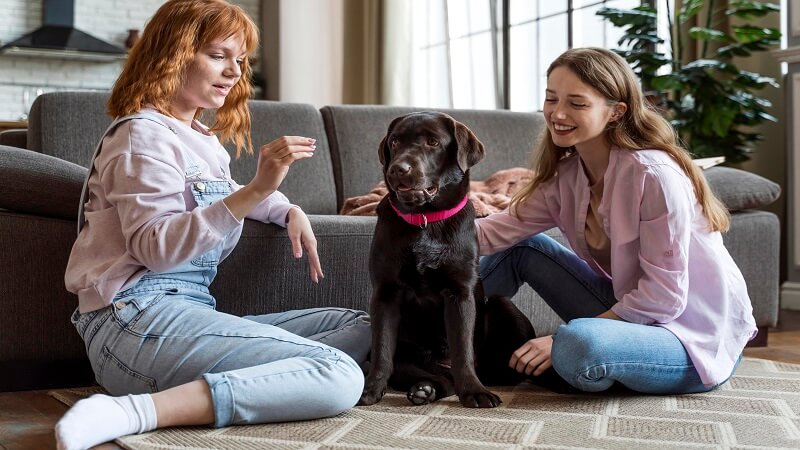
Dog calming collars can help dogs that struggle with separation anxiety, especially during long hours alone. Many owners choose an all-natural calming collar for dogs from various brands, such as Get FurLife or similar brands. They release pheromones that copy a mother dog’s scent. It may help a dog feel safe and less tense without medicine.
Pheromone collars work by slowly releasing scent as the dog’s body heat warms the material. As a result, the dog receives steady exposure throughout the day, which may reduce stress behaviors such as pacing, whining, or barking after the owner leaves.
Some collars also use natural scents like lavender or chamomile. However, results vary, and not every dog responds the same way, so owners should watch for changes in behavior over the first few weeks.
A calming collar works best as part of a full plan that may include training, exercise, and a steady routine.
Dog Appeasing Pheromone Diffuser
A dog appeasing pheromone diffuser releases a synthetic version of the scent mother dogs produce to calm their puppies. This scent does not sedate a dog; instead, it sends a signal of safety that can lower stress levels. As a result, many dogs show fewer signs of separation anxiety, such as barking, pacing, or chewing.
The diffuser plugs into a wall outlet and spreads the pheromone through the air in a set area of the home. Most units cover a single room, so owners often place them where the dog rests or stays during the day. In addition, refills last several weeks, which allows steady support without daily effort.
Research on dog appeasing pheromones shows that many dogs respond with calmer behavior, although results vary by dog. Therefore, owners often use a diffuser along with training and routine changes to address separation anxiety in a balanced way.
Classic Dog Toy
A classic dog toy can help ease separation anxiety because it gives the dog a steady source of focus and comfort. Many dogs attach to a favorite rubber chew toy or plush toy, and that familiar object can lower stress during time alone. The scent of the home and the feel of the toy both support a sense of security.
Rubber chew toys work well because they hold treats or peanut butter inside. The dog must chew and lick to reach the food, so this keeps the mouth and mind busy for a longer period. As a result, the dog spends less time barking, pacing, or scratching at doors.
Plush toys also help, especially for dogs that like to carry or cuddle objects. A soft toy can serve as a comfort item, which may reduce whining and restlessness. Owners should choose durable materials and remove loose parts, so the toy stays safe during solo time.
Calming CBD Oil for Dogs
CBD oil has gained attention as a tool for dogs with separation anxiety. It interacts with the endocannabinoid system, which helps regulate stress and mood. Some pet owners report that their dogs show less fear and fewer stress behaviors after CBD use.
Research in animals suggests CBD may reduce anxiety through its effect on serotonin signals; however, studies in dogs remain limited, so results can vary. Veterinarians often advise a full-spectrum hemp extract with less than 0.3% THC and clear lab reports to confirm safety and proper dose. Some pet owners also explore alternative formats such as joyorganics cbd gummies that are formulated for pets, as long as they meet the same safety standards and are approved by a veterinarian.
A vet can suggest an initial dose based on the dog’s weight and health history, and the owner should monitor behavior and appetite after each dose. CBD works best as part of a broader plan that may include behavior training, a steady routine, and safe toys that keep the dog occupied.
Snuggle Puppy Behavioral Aid
The Snuggle Puppy Behavioral Aid is a plush toy made to ease separation anxiety in dogs. It includes a small device that creates a pulsing heartbeat, and some versions also allow a gentle heat pack inside. These features copy the warmth and rhythm puppies feel from their mother and littermates, so the dog feels less alone.
This toy often helps puppies adjust to a new home, especially during the first nights away from their litter. Adult dogs with mild separation issues may also settle more easily with it in their crate or bed. As a result, some dogs bark less, pace less, and rest more calmly.
Owners should place the toy near the dog’s sleeping area and supervise use at first to prevent chewing damage. Although it does not replace training or behavior work, it can support a broader plan that includes gradual departures and positive reinforcement.
Conclusion
Separation anxiety in dogs requires a steady plan that combines gradual alone-time practice, calm routines, safe chew items, and supportive tools such as pressure wraps or calming music. Owners who change the dog’s view of being alone through small, repeated steps often see fewer stress behaviors and a more settled mood. In addition, guidance from a trainer or veterinary behavior expert can address severe cases and shape a plan that fits the dog’s needs. With patience and clear structure, most dogs can learn to stay calm and feel secure even after their owner leaves the home.