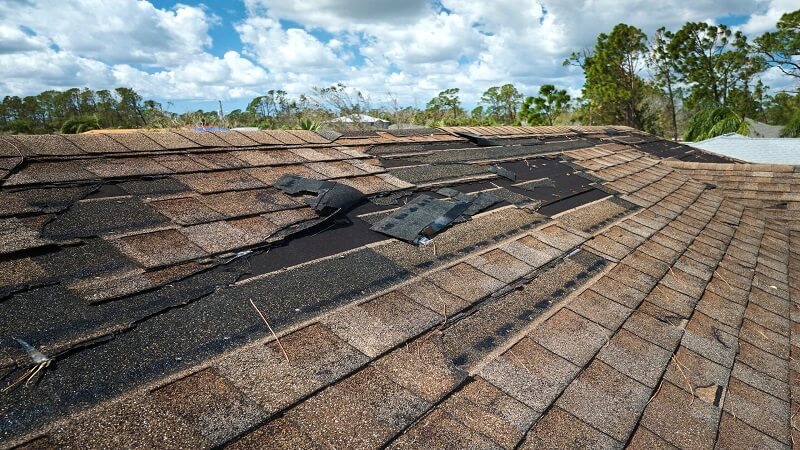
There is nothing quite as frustrating as waking up to the rhythmic sound of water hitting a plastic bucket in your living room. You thought you fixed this already. You hired someone, they patched a spot, and you moved on with your life. But here you are again, dealing with the exact same drip in the exact same corner. If you find yourself constantly searching for an expert roof repair Heber City specialist to patch up the same old leak, it is time to stop looking at the puddle and start looking at the system. A recurring leak is rarely just a coincidence. It is a loud, wet signal that the real problem was never actually found or fixed.
The Problem With Quick Fixes
Most people react to a leak by wanting the cheapest and fastest solution possible. It makes sense because nobody wants to spend thousands of dollars on a surprise home project. However, the quick fix is often just a Band-Aid on a much larger wound. If a contractor comes out and simply slaps some roofing cement over a shingle without checking why that shingle failed, they are just delaying the inevitable.
Roofing cement and silicone can dry out, crack, or peel away from the surface over time. If the underlying structure is moving or if there is a deeper issue with the wood beneath, that patch will fail within a few months. When the same spot starts leaking again, it usually means the repair was superficial and ignored the root cause of the water intrusion.
Hidden Damage Under the Surface
Water is incredibly sneaky. It rarely travels in a straight line from the roof to your ceiling. It can enter at the peak of your roof, run down a rafter for ten feet, and then finally drip onto your drywall. This is why DIY repairs or hasty professional jobs often miss the mark.
If you have a recurring leak, there is a high probability that the decking underneath your shingles is compromised. Wood that stays damp for long periods will eventually rot or warp. Once the wood is soft, it cannot hold a nail properly. This creates a cycle where the shingles pull away, the leak returns, and the wood gets even softer. Until that rotted wood is replaced, no amount of new shingles or sealant will create a permanent seal.
Flashing Failures Are Often Overlooked
A huge percentage of repeated leaks happen around chimneys, skylights, or where a roof meets a wall. These areas are protected by metal strips called flashing. Flashing is designed to redirect water away from the seams of your home. If the flashing was installed poorly or if it has rusted through, water will find its way in every single time it rains.
A common mistake is trying to “seal” flashing with caulk instead of replacing the metal. Caulk is a temporary fix that expands and contracts at a different rate than metal and wood. Eventually, it pulls away and leaves a gap. If your leak is near a vertical surface and keeps coming back, the flashing is likely the culprit. True resolution involves pulling up the surrounding shingles and installing new metal work correctly.
The Mystery of Ice Dams
In colder climates, a leak that appears every winter in the same spot might not be a hole in your roof at all. It could be an ice dam. This happens when heat escapes from your attic and melts the snow on your roof. That water runs down to the cold gutters, freezes, and creates a wall of ice. New meltwater gets trapped behind that wall and gets pushed up under your shingles.
If you keep “fixing” the roof but the leak returns every January, you probably have an insulation or ventilation problem. Without fixing the temperature in your attic, the ice will continue to form, and the water will continue to find its way inside. This is a classic example of an unresolved issue that has nothing to do with the actual shingles.
Condensation Can Mimic a Leak
Sometimes, that stubborn wet spot isn’t even coming from the outside. If a bathroom vent or a dryer duct is venting into your attic instead of through the roof, moisture builds up on the underside of the roof deck. Eventually, that moisture gathers and drips down. To a homeowner, it looks exactly like a roof leak. You can replace every shingle on your house, but if that vent is still dumping humid air into your attic, the “leak” will never go away.
Final Word
Chasing the same leak month after month is a recipe for stress and wasted money. It is far better to invest in a thorough investigation that looks at the big picture rather than just the wet spot. When you finally decide to get a professional roof repair Heber City service to handle the job, make sure they are looking at the decking, the flashing, and the ventilation. A roof is a complex system of layers working together. If one of those layers is broken, the rest will eventually fail too. Get it fixed right once, and you can finally put the buckets away for good.