
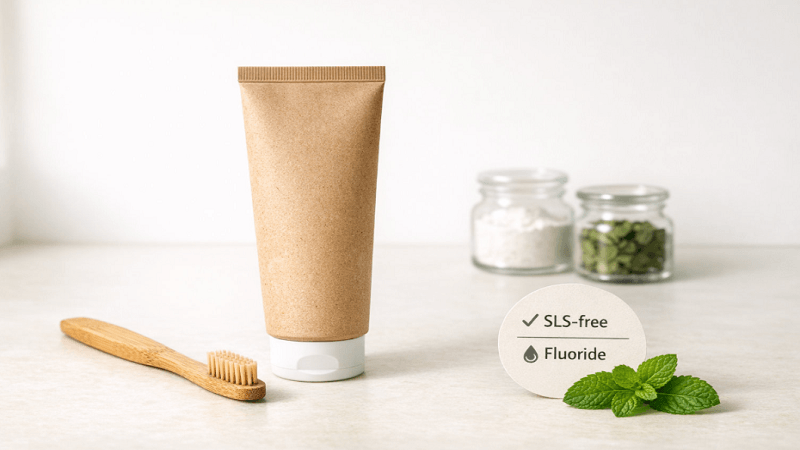
Families are looking for natural approaches to oral care, yet not every “natural” dental product meets the same standards of safety or effectiveness. By understanding product labels, ingredient lists, and differing requirements for each family member, you can make more informed decisions. This guide outlines how to balance safety, efficacy, and sustainability when choosing products for your household.
Interest in natural dental products is growing as families increasingly seek to reduce exposure to synthetic chemicals while supporting good oral health. Many parents wish to avoid harsh ingredients and unnecessary additives; however, the variety of choices can make the selection process complicated. Product packaging often makes promising claims but these do not always reflect what is appropriate or necessary for every individual. During their search, some families consult a holistic dentist London to better understand how to include natural dental options safely and effectively in daily routines.
Understanding product labels and ingredient language
Terms such as “natural,” “organic,” “SLS-free,” or “fluoride-free” are common on dental care packaging. However, these descriptions indicate certain ingredient options or manufacturing processes rather than providing a guarantee of safety or effectiveness. There is no official regulation ensuring that a “natural” label is always better for oral health.
Parents often opt for “SLS-free” products to avoid sodium lauryl sulphate, which has been associated with mouth irritation for some individuals. Nevertheless, even natural dental products might contain herbal or botanical extracts that could cause sensitivity. Examining ingredient lists and being familiar with common terms helps families choose products that fit individual requirements.
Tailoring toothpaste for every age group
Different family members, children, adults, and older individuals, often need different toothpaste formulations. For young children who may swallow toothpaste, dental professionals usually recommend a lower fluoride content and mild flavours. Products developed for babies and toddlers should avoid abrasive particles and exclude unnecessary colourants or sweeteners.
In many households, parents seek guidance from a dentist in Brentwood about which toothpaste ingredients support oral health and which ones can be avoided. While natural toothpastes may substitute artificial flavours and colours with plant-based options, maintaining effectiveness against plaque and cavity formation is vital. Attending to the specific age-related needs of each family member is an important part of selecting safe and natural dental products.
Balancing fluoride, safety, and professional advice
Fluoride is widely regarded by dental professionals as helpful for protecting teeth against decay, though some families have concerns about its suitability, especially for young children. Evidence generally supports fluoride’s role in strengthening enamel and reducing cavities when used appropriately, but consuming excessive amounts can be harmful. Some families opt for fluoride-free products, yet these choices may not deliver the same level of proven cavity protection, particularly for those at greater risk of tooth decay.
Addressing these concerns involves weighing each individual’s dental history and risk factors. Consulting with a dental professional can help families determine where fluoride fits within their oral care routine and which products are most appropriate. Personalised advice is helpful when making informed decisions about safe and natural dental products.
Choosing gentle products for sensitive teeth and gums
Certain people find that traditional pastes or rinses cause discomfort due to specific detergents, preservatives, or flavourings. Natural alternatives frequently exclude common irritants in favour of gentler foaming agents and herbal ingredients. For those with sensitive mouths, selecting products with fewer, well-recognised ingredients and avoiding strong abrasives can be beneficial.
If a family member regularly experiences mouth ulcers, gum irritation, or sore areas, a careful review of the product label is suggested. Many dental professionals indicate that switching to a milder natural product can improve everyday comfort while upholding oral hygiene routines. With a variety of safe and natural dental options now available, choices can be tailored to address specific symptoms or preferences.