
If you have ever stood outside your home looking at a tired, weather worn driveway, or stepped into a garage with a floor that has seen better days, you will know just how much a fresh coat of concrete paint can transform a property. For UK homeowners, choosing the right concrete paint is not simply about colour. It is about protecting valuable outdoor and indoor surfaces from rain, frost, oil spills, and everyday wear, all while creating a finish that adds genuine kerb appeal.
In this guide, we walk through everything you need to know about selecting the best concrete paint for your garage, patio, or driveway, including what features to look for, which type of paint suits each surface, and how to achieve a long lasting finish that holds up beautifully through the British seasons.
Why Painting Concrete Surfaces Is Worth the Effort
Concrete is incredibly tough, but it is far from indestructible. Without protection, concrete absorbs water, develops cracks during freeze and thaw cycles, stains easily from oil and chemicals, and becomes slippery when wet. A quality concrete paint creates a protective barrier that shields the surface from moisture, UV rays, and abrasion, whilst also allowing you to brighten dull areas with colour.
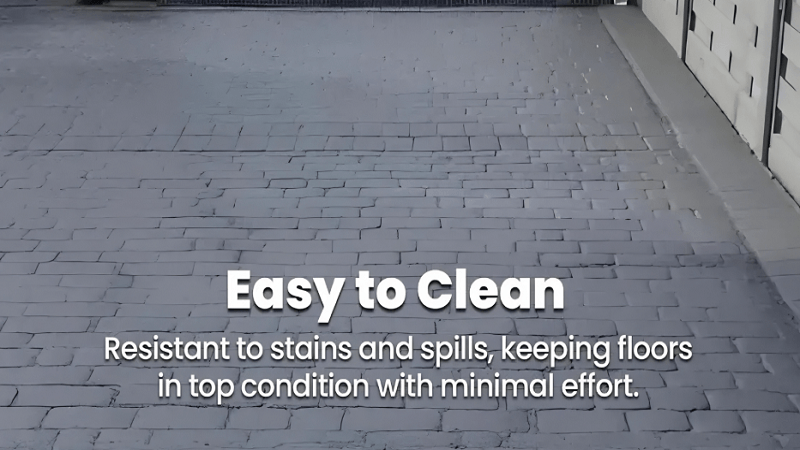
For UK properties, where damp weather and shifting temperatures are part of daily life, a well chosen concrete coating can extend the lifespan of your driveway, patio, or garage floor by many years. It also makes cleaning far easier, as a sealed surface resists the stains and grime that would otherwise sink straight into bare concrete.
Key Qualities to Look for in the Best Concrete Paint
Not all concrete paints are created equal. Whether you are tackling a busy driveway or sprucing up a garden patio, these are the features that separate a good product from a great one.
Durability
Durability sits at the top of the list. Concrete surfaces, particularly driveways and garage floors, take a constant beating from foot traffic, vehicle tyres, dropped tools, and shifting outdoor furniture. Look for paints described as heavy duty or industrial grade, especially those formulated with epoxy or polyurethane resins. These coatings bond deeply with the concrete and resist scuffing, peeling, and chipping for years.
Weather Resistance
Few things test a coating quite like the British climate. Driving rain, frost, and the occasional baking summer afternoon can cause inferior paints to bubble, crack, or fade within a single season. Strong weather resistance is therefore essential for any exterior application. Quality concrete paints designed for UK conditions are formulated to handle moisture penetration, frost cycles, and UV exposure without losing colour or structural integrity.
Slip Resistance
Slip resistance is often overlooked, yet it is one of the most important features for patios, garage floors, and driveways. Wet concrete becomes hazardous quickly, especially around steps and entrances. Some paints come with a built in textured finish, while others allow you to mix in a fine aggregate before application. If your surface will see foot traffic, choose a coating that provides reliable grip even in wet weather.
UV Stability
For exterior surfaces, UV stability prevents the colour from fading or yellowing over time. While the UK may not be famed for relentless sunshine, prolonged exposure during the summer months can still degrade poor quality coatings. A UV stable formula keeps your driveway or patio looking freshly painted year after year.
Coverage and Drying Time
Practical considerations matter too. Check the coverage rate per litre, the recommended number of coats, and the drying times. A paint that requires 24 hours between coats may be inconvenient if rain is forecast. Modern formulations often dry to touch within a few hours, with full cure achieved over several days.
Types of Concrete Paint Explained
Understanding the main types of concrete paint will help you match the right product to the right surface.
Epoxy Concrete Paint
Epoxy paints are formed by mixing a resin with a hardener, creating an exceptionally tough, chemical resistant coating. They are widely regarded as the best choice for garage floors because they shrug off oil, petrol, brake fluid, and tyre marks. The finish is glossy, professional, and capable of lasting many years with proper care.
Acrylic Concrete Paint
Acrylic concrete paints are water based, easier to apply, and dry quickly. They suit patios and lighter use surfaces where chemical exposure is minimal. While not quite as hard wearing as epoxy, modern acrylics offer impressive weather resistance and a wide colour range, making them a popular choice for decorative outdoor projects.
Polyurethane Concrete Paint
Polyurethane coatings combine flexibility with toughness, allowing them to handle slight movement in the substrate without cracking. They perform especially well on driveways, where temperature changes and vehicle weight place real stress on the surface. Polyurethane also offers excellent UV resistance, keeping colours vibrant for longer.
Masonry Paint for Concrete
Masonry paint, designed primarily for brick and render, can also be used on vertical concrete surfaces such as garden walls, retaining structures, and concrete posts. It offers breathable protection that allows moisture trapped within the substrate to escape, reducing the risk of damp damage.
Best Concrete Paint for Garage Floors
Garage floors face a unique set of challenges: vehicle weight, oil drips, hot tyre marks, dropped tools, and chemical spills. For this reason, two part epoxy concrete paint is widely considered the gold standard. Its hard, glossy finish resists almost everything you can throw at it, and it gives the space a clean, professional appearance.
Look for products that explicitly mention resistance to hot tyre pickup, a common issue where lower grade paints lift off in patches after a warm car has been parked on them. A textured finish or anti slip additive is also a wise addition, especially in winter when wet shoes and damp tyres can make smooth coatings hazardous.
Best Concrete Paint for Patios
Patios benefit from coatings that balance aesthetics with protection. Acrylic concrete paints work brilliantly here, offering attractive matte or satin finishes alongside good weather resistance and a broad palette of colours. If your patio sees heavy use from garden furniture, barbecues, or children playing, consider a slightly tougher polyurethane coating instead.
For older, slightly worn patios, a paint with mild self levelling properties can disguise minor imperfections and breathe new life into the area. Always opt for a finish with built in slip resistance to keep the surface safe in damp conditions, which is particularly important for British gardens that see plenty of rain throughout the year.
Best Concrete Paint for Driveways
Driveways represent the largest and most demanding concrete surface on most properties. They must withstand vehicle weight, frequent foot traffic, oil and fuel drips, road salt during winter, and the relentless freeze thaw cycles of British weather. Polyurethane and high quality epoxy coatings are the strongest contenders, with anti slip additives strongly recommended for safety.
Many homeowners choose to apply a primer first, especially on older or porous concrete, to ensure proper adhesion. A two coat system typically delivers the most reliable, long lasting finish, although some premium products are formulated for single coat application.
Surface Preparation: The Step You Cannot Skip
Even the finest concrete paint will fail if applied to an unprepared surface. Surface preparation accounts for the majority of any successful paint job, and skipping it almost guarantees disappointment within months.
Start by cleaning the concrete thoroughly. Remove dust, oil, grease, moss, and any old flaking paint using a stiff brush, pressure washer, or specialist concrete degreaser. For oily areas, particularly garage floors, a dedicated degreasing product is essential, as paint will not adhere to contaminated surfaces.
Next, repair any cracks or chips with a suitable concrete filler, allowing it to cure fully before painting. New concrete should be left to cure for at least 28 days before applying any coating. Older concrete with a smooth, sealed surface may benefit from light etching, either with a mechanical grinder or an acid based etching solution, to give the paint something to grip.
Finally, ensure the surface is completely dry before painting. Moisture trapped beneath the coating is one of the most common causes of bubbling and peeling. Many UK homeowners check the weather forecast and aim for two or three consecutive dry days for both application and initial curing.
Practical Application Tips
A few simple techniques can make a significant difference to the final result. Apply paint in thin, even coats rather than a single thick layer, as thick application leads to drips, uneven curing, and a weaker bond. Use a roller for large open areas and a brush for edges and corners, working in manageable sections to avoid lap marks.
Pay close attention to the manufacturer instructions on temperature and humidity. Most concrete paints perform best when applied between 10°C and 25°C, with low humidity levels. Painting on a damp morning or during a cold snap is a recipe for poor adhesion and patchy results.
If you are mixing in an anti slip additive, stir it gently and frequently throughout the application to keep the particles evenly distributed across the surface.
Maintaining a Long Lasting Finish
To preserve the beauty and protective qualities of your newly painted concrete, a little routine care goes a long way. Sweep the surface regularly to prevent grit from acting like sandpaper underfoot. Wash patios and driveways occasionally with mild soapy water and rinse with a hose to remove dirt before it builds up.
Avoid harsh chemicals and abrasive cleaners that can dull the finish. For garage floors, address oil drips promptly with a gentle degreaser to keep the coating spotless. Most quality concrete paints will provide many years of service with minimal effort, and a light refresh coat every five to seven years can keep things looking pristine.
Where to Source Quality Concrete Paint in the UK
Sourcing the right product is just as important as choosing the right type. UK homeowners benefit from a wide selection of trusted suppliers, and stockists such as Trade Supplies UK offer a comprehensive range of concrete paints suited to garages, patios, driveways, and other domestic projects. Buying from a specialist supplier means you gain access to professional grade products, clear technical guidance, and coatings that have been tested for British weather conditions.
When browsing, take your time to read product descriptions carefully, check coverage rates, and confirm whether a primer is required. A few extra minutes of research can save you hours of rework later, and friendly stockists like Trade Supplies UK can often help point you towards the right option for your specific surface and circumstances.
Frequently Asked Questions
How long does concrete paint last on a driveway?
A quality epoxy or polyurethane driveway coating, applied to a properly prepared surface, typically lasts between five and ten years. Lifespan depends on traffic volume, exposure to chemicals, and how well the surface is maintained. Refreshing the topcoat every few years can extend this considerably.
Can I paint concrete in winter?
It is best to avoid painting concrete during winter in the UK. Cold, damp conditions prevent the paint from curing properly, leading to weak adhesion and a poor finish. Aim for dry weather with temperatures consistently above 10°C, ideally in spring, summer, or early autumn.
Do I need to seal concrete before painting?
Sealing is not always necessary if you are using a high quality concrete paint that includes its own bonding properties. However, on porous, very old, or freshly cured concrete, applying a suitable primer or sealer first will dramatically improve adhesion and the longevity of the finish.
Is concrete paint slippery when wet?
Standard concrete paints can become slippery when wet, particularly those with a glossy finish. To avoid this, choose a paint with built in slip resistance or add a fine anti slip aggregate during application. This is especially important for patios, steps, and driveways.
Can I paint over old concrete paint?
Yes, provided the existing coating is sound and well bonded. Clean the surface thoroughly, sand or lightly etch any glossy areas, and repair flaking or peeling sections before applying the new paint. If the old coating is failing extensively, it is best to remove it entirely first.
How many coats of concrete paint do I need?
Most concrete paints perform best with two coats over a primer, though premium formulations sometimes allow for single coat application. Two coats deliver superior coverage, deeper colour, and a more durable finish, particularly on high traffic surfaces such as driveways and garage floors.