
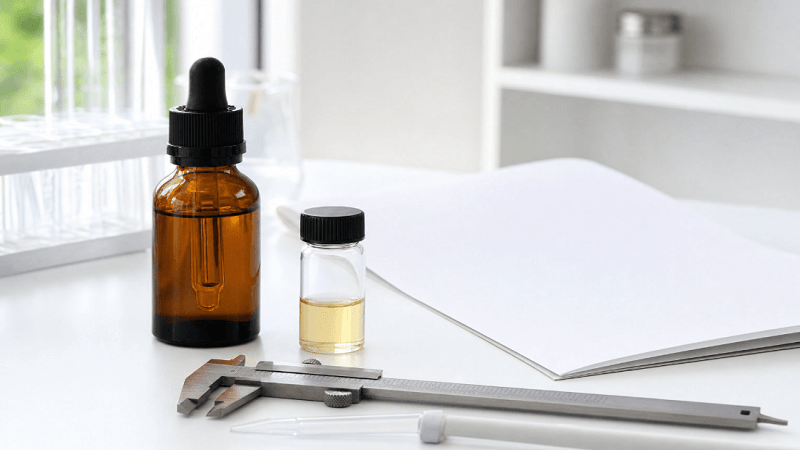
Independent lab testing is an important factor in ensuring the transparency and safety of CBD products for families who are considering incorporating these products into their routines. Understanding how your CBD products are tested may help you make more informed purchasing decisions. Knowing what test results mean enables shoppers to identify quality products and avoid unexpected issues.
CBD has become a popular addition to wellness routines, with households increasingly seeking reliable quality and consistency, including when buying from retailers rated as a leading CBD shop. As families explore cannabidiol products in various forms, gauging safety and accuracy becomes more important. Many consumers rely on claims of legitimacy, but verifying these claims requires understanding independent lab testing. Knowing what independent lab testing means and how to interpret its results can increase your confidence and help you select products that fit your values and standards.
Understanding the basics of independent laboratory testing
Independent lab testing, sometimes known as third-party testing, involves sending product samples from a production batch to a laboratory that is not affiliated with the product’s manufacturer. This is different from in-house testing, where checks are performed by the company and may not always disclose methods or results in detail.
Laboratory independence is important in building consumer trust, as unbiased testing helps to reduce potential conflicts of interest and supports the accuracy of product information. Relying on independent reports adds credibility and helps confirm that statements about cannabidiol content or purity can be supported by objective data, rather than just marketing claims.
What you find in a typical laboratory report
A standard laboratory report for CBD products, known as a Certificate of Analysis (COA), covers several key elements. The cannabinoid profile shows levels of CBD and other compounds, helping check that what is stated on the label matches what is in the product and that it aligns with legal requirements.
Along with cannabinoid content, COAs often include checks for THC to confirm compliance with legal limits. Reports may also show results of contaminant testing for heavy metals, pesticides, residual solvents, and harmful microbes. These checks are designed to confirm the absence or acceptable levels of substances that could come from farming or manufacturing, supporting quality assurance.
Guidelines for interpreting a Certificate of Analysis correctly
When you receive a COA, start by checking that the batch number and date match your particular product. This helps confirm that the results are relevant to what you have purchased and not a general report for another batch.
Key sections to review include the summary tables for cannabinoid content and contaminant levels. Batch details can help spot inconsistencies or outdated information, current and complete documentation is important for responsible purchasing and helps you identify products that reflect up-to-date standards.
Recognising common red flags and improving home safety
There are several indicators that may suggest unreliable or incomplete laboratory testing. A missing or outdated COA can undermine transparency and should prompt caution, as can reports that do not match the batch code for your product or that present results without enough explanation.
Selective reporting, such as only displaying positive results or not including certain contaminants, is another warning sign. For households that value consistent and predictable CBD products, transparent quality checks and trustworthy lab results are practical ways to increase confidence in your choices. Checking for clear, current, and batch-relevant lab results can help support more reliable purchasing decisions and promote safety at home.