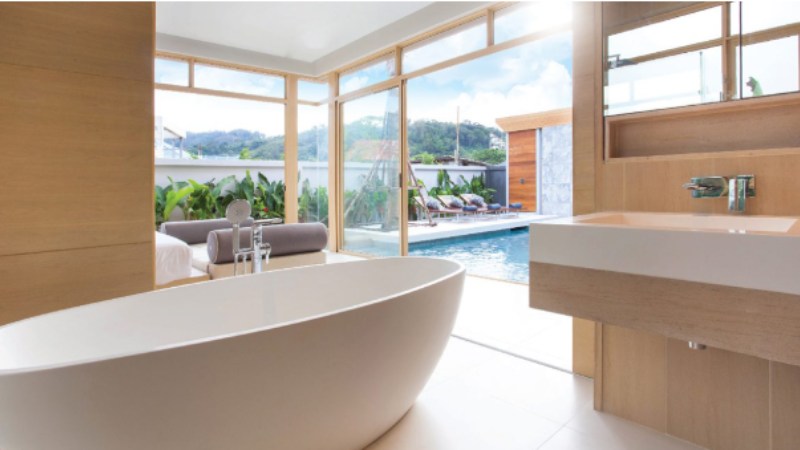
A bathroom is no longer just a place to rush through morning routines or wind down before bed. For many homeowners, it has become a private escape — a quiet corner where design, comfort, and function meet. The best spa-like bathrooms are not always the largest or most expensive. Often, the real difference is in the details: thoughtful storage, calming materials, balanced lighting, and layouts that support daily life without feeling cluttered.
This is where organized master baths, moisture-resistant cabinetry, luxury powder room layouts, and smart bathroom utility choices come together. When each element has a purpose, the room feels easier to use and more relaxing to enjoy. A well-designed bathroom can help make ordinary routines feel more intentional, peaceful, and personal.
Why Bathroom Design Is Becoming More Wellness-Focused
Home improvement trends have shifted toward comfort, calm, and long-term practicality. People want rooms that look good, but they also want spaces that make life easier. Bathrooms are a natural part of that shift because they are used every day.
A wellness-inspired bathroom does not need to feel like a hotel suite. It can be simple, warm, and personal. Soft lighting, clean surfaces, natural textures, and practical storage can change how the room feels. Instead of fighting clutter every morning, homeowners can enjoy a space that feels prepared, clean, and restful.
That is one reason organized master baths have become so desirable. When towels, skincare, grooming tools, and cleaning items all have a proper place, the bathroom feels more open and peaceful. The goal is not perfection. The goal is a layout that supports real life.
Start with the Layout Before Choosing Finishes
Beautiful tile and premium fixtures can make a bathroom attractive, but layout decides how well the room works. Before choosing colors or materials, it helps to think about movement.
Ask simple questions:
- Is there enough space around the vanity?
- Can drawers and cabinet doors open comfortably?
- Are everyday items easy to reach?
- Is lighting placed where it is actually useful?
- Does the space feel calm when more than one person uses it?
In organized master baths, the layout usually separates daily-use zones from storage zones. For example, the vanity area may hold grooming essentials, while a tall cabinet or shelf area stores extra towels and supplies. This creates a smoother routine and prevents the countertop from becoming a catch-all surface.
For smaller bathrooms, the same idea still applies. A narrow cabinet, wall-mounted shelf, or floating vanity can create order without making the room feel tight.
The Role of Moisture-Resistant Cabinetry in Long-Term Comfort
Bathrooms deal with steam, splashes, humidity, and frequent cleaning. That makes storage materials especially important. Moisture-resistant cabinetry is not just a design upgrade; it is a practical choice for protecting the look and performance of the room over time.
Standard furniture may warp, swell, or lose its finish in damp spaces. Bathroom-friendly cabinets are designed to handle these conditions better. This matters in master bathrooms, guest bathrooms, laundry-bath combinations, and even compact powder rooms.
Good cabinetry can help store:
- Towels and washcloths
- Hair tools and grooming products
- Cleaning supplies
- Extra soap and toiletries
- Guest essentials
- Skincare and personal care items
For homeowners who want flexible storage without a full remodel, freestanding bathroom cabinets can be a practical way to add function and style. They can fit into unused corners, beside vanities, or near soaking tubs while keeping daily items organized and easy to access.
Designing Luxury Powder Room Layouts with Purpose
Powder rooms may be small, but they often leave a strong impression. Guests use them, and homeowners see them as a chance to express personality without redesigning an entire home. Luxury powder room layouts focus on balance: visual interest, comfort, and efficient use of limited space.
A powder room does not need many features. It needs the right features. A statement mirror, elegant lighting, a refined vanity, and carefully selected wall finishes can make the room feel complete.
In many luxury powder room layouts, the mirror becomes the visual anchor. It reflects light, adds depth, and helps the space feel more polished. The sink area should remain clean and uncluttered, while hidden storage keeps extra tissue, soap, and hand towels out of sight.
Small upgrades can make a big difference:
- A curved mirror to soften sharp lines
- Warm sconces instead of harsh overhead lighting
- A compact vanity with concealed storage
- Textured wallpaper or subtle wall paneling
- A narrow shelf for a candle, plant, or folded towel
The best luxury powder room layouts feel intentional, not crowded. Every element should earn its place.
Mirrors, Light, and the Feeling of Space
Lighting can make or break a bathroom. Even expensive materials can look flat under poor lighting. A spa-like bathroom usually layers light instead of relying on one ceiling fixture.
A good bathroom lighting plan may include:
- Overhead lighting for general use
- Vanity lighting for grooming
- Accent lighting for warmth
- Natural light where privacy allows
Mirrors support this effect by reflecting light and creating a sense of openness. The right mirror can also act as a design feature, especially in smaller rooms. For example, decorative bathroom mirrors can help bring character to a simple vanity area while improving the overall brightness of the room.
In wellness-focused bathrooms, softer light often works better than cold, clinical brightness. Warm-white bulbs, dimmers, and shaded fixtures can make evening routines feel calmer. For morning routines, balanced vanity lighting helps with clarity without feeling harsh.
Bathroom Utility Should Feel Seamless, Not Obvious
A beautiful bathroom still needs to work hard. Bathroom utility is about how the room supports storage, cleaning, grooming, bathing, and daily habits without creating visual noise.
This includes small decisions that often go unnoticed:
- Where outlets are placed
- How towels are stored
- Whether cleaning supplies are hidden
- How easy surfaces are to wipe down
- Whether frequently used items have a clear home
- How well ventilation manages humidity
Good bathroom utility makes the room easier to maintain. It also helps preserve the spa-like feeling because clutter does not build up as quickly. A bathroom can look beautiful on the first day after a remodel, but the real test is how it feels after months of daily use.
In family homes, bathroom utility becomes even more important. Shared bathrooms need stronger storage systems, durable finishes, and easy-to-clean surfaces. In private bathrooms, utility may be more personal, supporting skincare routines, relaxation, or a slower evening wind-down.
Bringing Spa Details into Everyday Life
The secret to a personal wellness spa is not copying a commercial spa exactly. It is choosing details that make your own routine feel better.
For some people, that means a deep soaking tub. For others, it may be a clean vanity, soft towels, and a place to keep skincare neatly arranged. The right design depends on the homeowner’s habits.
Simple spa-inspired ideas include:
- Use natural textures like wood, stone, linen, or woven baskets.
- Keep counters mostly clear.
- Choose closed storage for visual calm.
- Add plants that tolerate humidity.
- Use soft rugs or bath mats for warmth.
- Keep scents subtle and fresh.
- Choose hardware that feels good to touch.
Organized master baths often feel luxurious because they reduce decision fatigue. You know where things are. The space looks calm. The routine flows naturally. That sense of ease is a major part of wellness design.
Choosing Materials That Handle Daily Use
Bathrooms need beauty, but they also need durability. Floors, walls, cabinets, and fixtures should be selected with moisture and cleaning in mind.
Moisture-resistant cabinetry pairs well with practical surfaces such as porcelain tile, sealed stone, quartz countertops, and washable wall finishes. These materials help the bathroom maintain its appearance while reducing maintenance stress.
For homeowners planning a remodel, it is wise to think beyond the showroom look. Ask how a material will perform after daily showers, toothpaste splashes, wet towels, and regular cleaning. The right materials should support both style and peace of mind.
Small Bathrooms Can Still Feel Like Retreats
Not every home has a large bathroom, but size does not decide comfort. A compact bathroom can still feel like a retreat when it is planned well.
The key is restraint. Too many finishes, shelves, or accessories can make a small space feel busy. Instead, choose one or two strong design elements and let the rest stay simple.
For example, luxury powder room layouts often use this principle beautifully. A small room may feature a bold mirror, elegant lighting, and a refined vanity, while keeping everything else minimal. The result feels polished without feeling overwhelming.
In small bathrooms, vertical storage is especially helpful. Tall cabinets, wall shelves, recessed niches, and hooks can increase bathroom utility without taking up valuable floor space.
How to Create a More Organized Master Bath
If a full renovation is not possible, smaller updates can still improve the room. Start by removing what does not belong. Then group items by use.
A simple system might look like this:
- Daily items in top drawers or trays
- Backup supplies in closed cabinets
- Towels stacked by size
- Cleaning products in one lower cabinet
- Guest items in a small basket
- Hair tools stored safely near outlets
Organized master baths become easier to maintain when storage matches habits. Do not design for an imaginary routine. Design for the way the bathroom is actually used every day.
Conclusion: Wellness Lives in the Details
A bathroom becomes a personal wellness space when beauty and function work together. It is not only about expensive finishes or dramatic remodels. It is about creating a room that feels calm, useful, and easy to live with.
Organized master baths bring order to daily routines. Moisture-resistant cabinetry protects storage from the realities of bathroom humidity. Luxury powder room layouts make small spaces feel thoughtful and refined. Smart bathroom utility keeps the room practical without sacrificing style.
When each detail supports comfort, the bathroom becomes more than a functional room. It becomes a private pause in the day — a place to reset, refresh, and feel at home.
FAQ
1. How can I make my bathroom feel more like a spa?
Start with clutter control, soft lighting, clean surfaces, and calming textures. You do not need a full remodel. Better storage, warm towels, plants, and simple accessories can make the room feel more peaceful.
2. Why is moisture-resistant cabinetry important in bathrooms?
Moisture-resistant cabinetry helps protect storage from humidity, steam, and splashes. It is especially useful in bathrooms because ordinary furniture materials may not hold up well in damp conditions.
3. What makes organized master baths more functional?
Organized master baths work better because every item has a clear place. This reduces countertop clutter, improves daily routines, and makes the bathroom easier to clean and maintain.
4. Are luxury powder room layouts only for large homes?
No. Luxury powder room layouts can work in almost any home. The key is choosing the right mirror, lighting, vanity, and finishes so the small space feels intentional and balanced.
5. What does bathroom utility mean in design?
Bathroom utility refers to how well the space supports real daily needs, such as storage, grooming, cleaning, ventilation, and towel access. Good utility makes the bathroom easier to use without making it feel crowded.