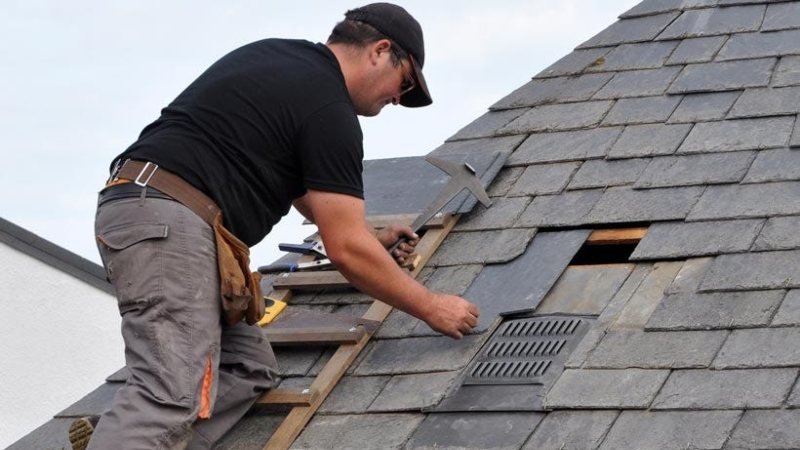
Storms can be unpredictable, bringing high winds, hail, heavy rain, falling tree limbs, and flying debris that place tremendous stress on your roof. While some damage is immediately obvious, many roofing problems remain hidden until a leak develops weeks or even months later.
Learning how to identify the warning signs of storm damage can help homeowners take action before small issues become major repairs.
Why Storm Damage Isn’t Always Visible
Many homeowners assume that if they don’t see shingles on the ground, their roof must be fine. Unfortunately, that’s not always the case.
Storms can cause damage such as:
- Lifted shingles
- Broken adhesive seals
- Bruised asphalt shingles
- Bent flashing
- Hidden punctures
- Moisture beneath roofing materials
These problems may not be visible from your yard but can significantly reduce your roof’s ability to protect your home.
Start With a Ground-Level Inspection
Your first inspection should always be performed from the ground.
Walk around your property and look for:
- Missing shingles
- Pieces of shingles in the yard
- Dented gutters
- Bent downspouts
- Loose siding
- Fallen tree branches
- Damaged chimney flashing
- Debris on the roof
Using binoculars can provide a closer look without putting yourself at risk.
Check Inside Your Home
Roof damage often appears indoors before homeowners notice problems outside.
Watch for:
- Ceiling stains
- Water spots
- Peeling paint
- Damp insulation
- Moldy odors
- Wet drywall
- Dripping water in the attic
Even small discoloration can indicate that water has already entered the roofing system.
Inspect Gutters and Downspouts
Your gutter system often reveals clues about the condition of your roof.
Signs to watch for include:
- Asphalt granules collecting in gutters
- Loose gutter sections
- Dents from hail
- Sagging hangers
- Overflowing gutters
Granule loss can be one of the earliest indicators that shingles have suffered storm damage.
Pay Attention to Flashing
Roof flashing protects some of the most vulnerable areas of your roof, including:
- Chimneys
- Skylights
- Plumbing vents
- Valleys
- Dormers
High winds can loosen flashing, allowing water to enter areas that were previously well sealed.
Tree Limbs Can Cause Hidden Problems
Even if a tree branch doesn’t puncture your roof, it can still create damage.
Heavy limbs may:
- Crack shingles
- Loosen flashing
- Dent roof decking
- Damage ridge caps
- Weaken roof framing
Inspect any area where branches contacted your roof during a storm.
When to Schedule a Professional Roof Inspection
Professional inspections are recommended after:
- Hailstorms
- Tornado warnings
- Windstorms
- Fallen tree impacts
- Hurricanes
- Severe thunderstorms
Roofing professionals have the experience to identify damage that homeowners often overlook.
Why Immediate Repairs Matter
Small roofing problems rarely remain small.
Delayed repairs may result in:
- Interior leaks
- Mold growth
- Wood rot
- Damaged insulation
- Higher energy bills
- Structural deterioration
Addressing storm damage early often costs far less than repairing widespread water damage later.
When Storm Damage Leads to Roof Replacement
Not every storm requires a new roof, but severe weather can sometimes cause widespread damage that makes repairs impractical.
Factors that may indicate replacement is the better option include:
- Extensive shingle loss
- Multiple roof leaks
- Significant hail damage
- Aging roofing materials
- Repeated storm-related repairs
- Structural roof damage
If you’re trying to understand whether repairs or replacement make more sense for your situation, learn about your alternatives before making a long-term decision.
A professional evaluation can help determine the most cost-effective solution while ensuring your home remains protected.
Preventing Future Storm Damage
While storms cannot be prevented, homeowners can prepare their roofs by:
- Scheduling annual inspections
- Replacing worn shingles
- Repairing flashing
- Cleaning gutters regularly
- Trimming overhanging tree branches
- Improving attic ventilation
- Addressing small repairs promptly
Routine maintenance improves your roof’s ability to withstand severe weather throughout the year.
Frequently Asked Questions
Should I inspect my roof after every major storm?
Yes. Even if no leaks are immediately visible, storm damage can weaken your roofing system and create future problems.
Can hail damage be invisible?
Yes. Hail often bruises shingles beneath the surface without creating obvious cracks that homeowners can easily see.
Is it safe to walk on my roof after a storm?
No. Wet or damaged roofs can be extremely slippery and unstable. Inspections should generally be left to trained professionals.
How quickly should storm damage be repaired?
As soon as practical. Prompt repairs help prevent leaks, mold growth, and additional deterioration from future weather events.
Final Thoughts
Storms place tremendous stress on every part of your roofing system, and even seemingly minor damage can lead to costly repairs if ignored. Performing a safe ground-level inspection, watching for interior warning signs, and scheduling a professional evaluation after severe weather can help protect your home for years to come. Taking quick action after a storm not only preserves your roof but also helps prevent more extensive structural damage and unexpected repair expenses.