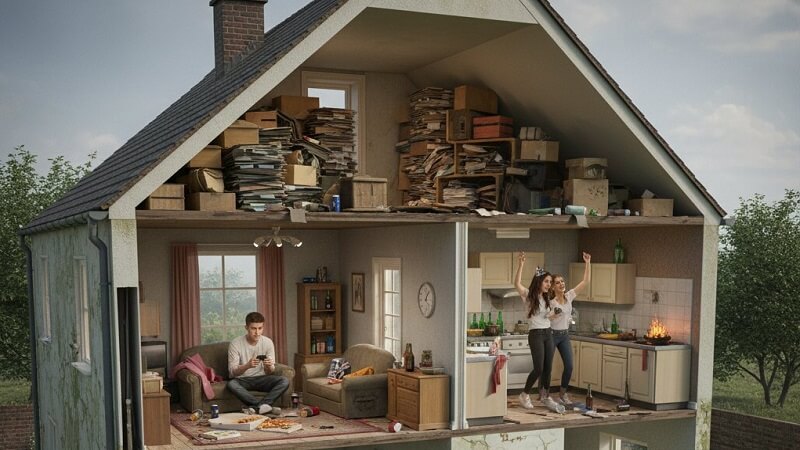
We often think about how our homes shape our lifestyles, open-plan kitchens for entertaining, garden offices for remote work, hobby rooms for creativity. But the relationship works both ways. The way we live can have a significant, sometimes hidden, impact on the condition, value and long-term health of our homes.
From everyday habits to ambitious DIY projects, certain lifestyle choices can quietly cause wear, damage, or complications that only become apparent when it’s time to redecorate, renovate, or sell.
Here are some of the most common and sometimes overlooked, lifestyle factors that can affect your property.
Smoking Indoors: The Hidden Residue Problem
One of the most well-known examples is smoking indoors. While the smell may be the first thing people notice, the bigger issue is what you can’t immediately see.
Cigarette smoke leaves behind a sticky residue of tar and nicotine that:
- Clings to walls, ceilings and light fittings
- Discolours paint and wallpaper
- Seeps into soft furnishings and carpets
- Lingers in ventilation systems
Even after repainting, stains can sometimes bleed back through standard paint, requiring specialist primers and deep cleaning.
Smoking outside can significantly reduce this problem, but for those who consume nicotine at home and want to avoid smoke or vapour entirely, nicotine pouches offer a cleaner alternative. Because they’re smokeless and odour-free, they don’t leave residue on surfaces or create lingering smells in fabrics or plasterwork.
It’s a small lifestyle shift that can make a meaningful difference to long-term interior maintenance.
Cooking: Steam, Grease and Surface Damage
Even the most diligent home cook can unknowingly cause damage over time.
Steam and oil particles released during cooking don’t simply vanish. They settle, often invisibly at first, on:
- Wooden cabinet doors
- Painted surfaces
- Extractor fans
- Ceiling corners
- Window frames
Over time, this buildup can:
- Dull finishes
- Cause paint to yellow
- Break down varnish
- Warp untreated wood
Good extraction and ventilation are essential, but they’re not foolproof. Regular deep cleaning of cabinetry and periodic refinishing of wood surfaces can help prevent long-term degradation.
For avid home chefs, investing in high-quality extractor systems and maintaining them properly is crucial, clogged filters reduce efficiency and allow grease to circulate back into the room.
The DIY Trap: When Enthusiasm Outpaces Experience
DIY can absolutely enhance a home, but it can also damage it.
One of the most potentially costly lifestyle habits is ambitious DIY carried out without sufficient experience or understanding.
Common examples include:
- Removing load-bearing walls without proper structural assessment
- Poorly installed plumbing leading to hidden leaks
- Electrical rewiring without certification
- Incorrectly applied damp-proof treatments
- Inadequate tiling preparation causing cracking and water ingress
In many cases, the initial work doesn’t fail immediately. Problems surface months, or even years, later. And when they do, contractors are often called in to “fix the fix,” which can be more expensive than doing it properly the first time.
DIY can be rewarding and cost-effective when done within skill limits. But structural, electrical and waterproofing work should almost always involve professionals.
Dual-Use Homes: Asset or Liability?
Modern working patterns have blurred the line between home and workplace.
Converted garages, home clinics, therapy rooms and garden offices can add enormous functionality. However, they can also create complications when it comes to resale value.
For example:
- A converted garage may reduce parking appeal.
- A garden office may shrink usable outdoor space.
- A room converted into a treatment clinic may require costly reversion to standard living use.
Specialised installations, such as sinks in consulting rooms or bespoke storage built for specific business needs, may not appeal to typical buyers.
It’s important to consider reversibility. Can the space easily be converted back into a bedroom, playroom, or standard office without major cost?
Flexibility is key to protecting long-term value.
Hobby Spaces and Hidden Risks
Some hobbies can have unexpected consequences for a property.
3D Printing and Workshop Use
A 3D print farm or even a serious resin printing hobby can introduce:
- Ventilation modifications
- Chemical odours
- Potential resin spills
- Long-term surface contamination
Resin fumes, in particular, can be absorbed into porous materials if ventilation is inadequate. While this may not be noticeable day-to-day, it could raise concerns during surveys or viewings.
Similarly, home workshops can introduce dust, vibration and minor structural alterations that impact floors, walls and wiring.
Designated hobby areas are fantastic, but thoughtful planning and containment are essential.
Pets and Flooring Fatigue
Pets are beloved family members, but they can accelerate wear on:
- Hardwood flooring
- Carpets
- Door frames
- Skirting boards
Repeated scratching, moisture from outdoor access and odour retention can require more frequent refurbishment.
Choosing pet-friendly flooring materials and maintaining strict cleaning routines can help mitigate long-term effects.
Poor Ventilation and Modern Living
Another increasingly common issue comes from modern energy-efficient homes.
While improved insulation reduces energy bills, it can also trap moisture. Combined with:
- Drying clothes indoors
- Long showers
- Cooking without adequate ventilation
This can create ideal conditions for mould growth and condensation damage.
Mould doesn’t just affect walls; it can compromise window seals, paintwork and even structural timber over time.
Balanced ventilation systems, dehumidifiers, and regular airflow management are essential in tightly sealed homes.
Fitness Equipment and Structural Load
Home gyms have surged in popularity. However:
- Heavy weights can strain upper-floor joists
- Treadmills can cause vibration damage
- Rubber mats can trap moisture beneath them
If installing substantial equipment, it’s wise to check structural load limits and use appropriate protective underlay.
Lifestyle Awareness Protects Property Value
None of these lifestyle choices are inherently “bad.” Cooking, hobbies, pets, home offices, fitness, these are all part of modern life.
The key is awareness.
Small adjustments can prevent long-term damage:
- Use extractor fans consistently
- Keep hobby areas properly ventilated
- Choose reversible modifications
- Know your limits with DIY
- Opt for cleaner alternatives when possible
Homes are long-term assets. The way we live in them shapes their condition just as much as their original construction.
With a little foresight and practical thinking, you can enjoy your lifestyle fully, without unintentionally shortening the lifespan, comfort, or value of your property.