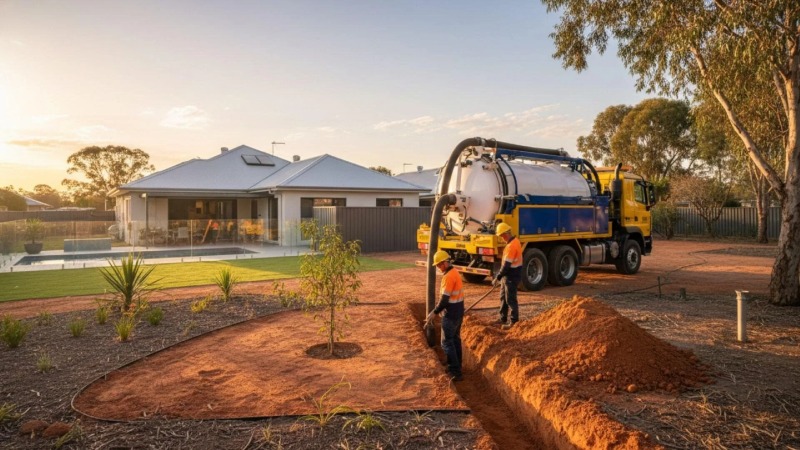
Vacuum excavation is rapidly becoming a preferred technique for excavation projects across urban centres, particularly in Sydney. This method utilises high-powered suction to remove soil and debris, providing a less invasive and more precise alternative to traditional excavation techniques. For anyone interested in understanding the intricacies of vacuum excavation in Sydney, this guide will delve into its core techniques and the myriad benefits it offers.
Understanding Vacuum Excavation
Vacuum excavation employs specialised equipment to safely and efficiently expose underground utilities. The process involves two primary elements: air or hydro excavation that loosens the earth and a vacuum system that sucks up the debris. Its growing popularity is attributed to its ability to minimise damage to existing underground structures, which is a critical consideration in densely populated areas like Sydney.
Techniques Utilised in Vacuum Excavation
There are mainly two techniques within vacuum excavation: air and hydro. Air excavation involves the use of compressed air to break up the soil, which is then vacuumed into a storage tank. Hydro excavation, on the other hand, uses high-pressure water. Each method has its advantages and can be selected based on soil type, weather conditions, and specific project requirements.
Air Excavation
Air excavation is particularly beneficial in dry soil conditions. It is less messy than its hydro counterpart and allows for easy backfilling as the excavated dry material can be reused immediately. This method is often preferred in situations where soil disposal is problematic.
Hydro Excavation
Hydro excavation is typically used in instances where the ground is compacted or frozen. The use of water makes this method efficient in breaking apart tough soil, although it can result in a slurry byproduct that needs to be managed. Its precision makes it ideal for projects where existing infrastructure requires careful navigation.
Benefits of Vacuum Excavation
Providing a range of advantages, vacuum excavation is appealing for contractors and project managers alike. One of the foremost benefits is damage reduction. Traditional excavation methods can inadvertently damage underground utilities; however, vacuum excavation is gentle, ensuring minimal risk to pipelines, cables, and other infrastructures.
Furthermore, vacuum excavation offers enhanced safety. Reducing the risk of strikes against underground utilities leads to safer work environments and fewer costly repair delays. Additionally, this method delivers precision, as the controlled excavation style makes working in tight urban settings feasible.
Environmental Impact
The environmental impact of vacuum excavation is considerably lower compared to conventional methods. By reducing surface disruption and allowing for selective soil removal, it minimises the ecological footprint on project sites.
Applications in Sydney
In a bustling metropolis like Sydney, the application of vacuum excavation is ever-expanding. Whether for construction, utility maintenance, or roadworks, this technique is valued for its adaptability and efficiency. Sydney’s urban planners increasingly advocate for its use to maintain infrastructure integrity while meeting development demands.
Factors to Consider Before Choosing Vacuum Excavation
Before committing to vacuum excavation, it is crucial to consider factors such as the specific nature of the project, soil type, and proximity to existing structures. While generally advantageous, understanding these nuances ensures that the selected excavation method aligns with project objectives.
Final Thoughts
In summary, vacuum excavation represents a progressive step forward in the field of urban excavation, offering a balance of safety, efficiency, and environmental sensitivity. As demand for sustainable and effective excavation solutions increases, its relevance within the construction landscape of Sydney is set to continue growing.