
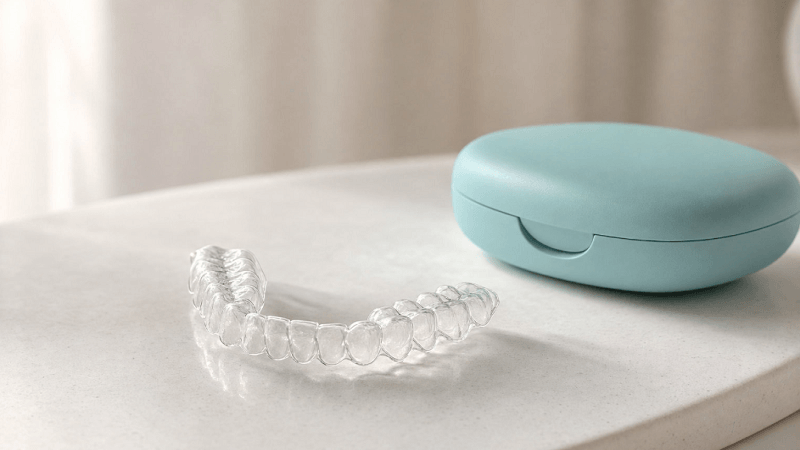
Clear aligner treatment provides a discreet and convenient option for straightening teeth for adults and teenagers. While the benefits of this orthodontic approach are often emphasised, recognising the limitations is important before deciding to proceed. This article details the workings of clear aligners, examining both their advantages and their constraints to help you make an informed decision.
Clear aligners have become increasingly popular as an orthodontic option that accommodates modern routines. These transparent trays are made to gently move teeth gradually, serving as an alternative to traditional fixed braces. Invisalign in London, for instance, attracts attention because it offers both convenience and a discreet appearance, but it is crucial to have a comprehensive understanding before beginning treatment. Weighing the advantages and acknowledging possible limitations will help determine if clear aligners are appropriate for your dental needs and lifestyle.
How clear aligner treatment gradually shifts teeth
Clear aligners are created from medical-grade thermoplastic and are custom-moulded for each patient’s teeth. The aligners are worn in sequence, each one making small, targeted adjustments without the need for metal brackets and wires.
For aligner treatment to be effective, most dental providers recommend wearing the trays for 20-22 hours daily. Consistency is essential, as regularly removing them can slow progress. The aligners are typically replaced every one to two weeks, based on the specific plan, to encourage gradual and controlled tooth movement at each stage.
Ongoing check-ins with your dental professional are an expected part of the process. These appointments enable refinements and minor corrective adjustments, and allow for close monitoring to address any issues early. Additional trays or corrections may be introduced if certain teeth are particularly resistant to movement or to achieve better results.
The most notable advantages for patients
One significant appeal of clear aligners is their subtle appearance, as they are much less noticeable than conventional metal braces. Many adults and teenagers value being able to speak or smile without drawing attention to their orthodontic treatment.
Their removability makes aspects of daily life, particularly eating and oral hygiene, more manageable. Meals do not require food restrictions, and keeping teeth clean is generally easier compared to fixed appliances.
Many patients find aligners more comfortable, since proper fit reduces the likelihood of mouth sores often experienced with traditional braces. The use of digital planning tools allows for detailed projections of each stage, which can help patients understand the likely outcomes, particularly in straightforward cases.
Common constraints and practical considerations
Despite their advantages, clear aligners are not effective for every bite or degree of tooth movement. More complex corrections, such as large rotations or moving teeth vertically, can require fixed braces for optimal results.
The success of clear aligner treatment relies heavily on the wearer’s commitment. Inadequate adherence to the advised daily wear time can slow or disrupt progress. Attachments and elastics may sometimes be added to aid certain movements, which can make the trays less discreet at times.
You may experience minor, temporary effects on speech or a sensation of pressure as you adjust to new aligners. These elements are generally addressed during early consultations, enabling you to set realistic expectations about adaptation and the potential effect on daily life.
Practical tips for daily life with aligners
Dietary habits need minor adjustments when using clear aligners. Hot drinks and coloured foods can stain or distort the trays, so it is usually advised to remove aligners before consuming anything except water.
During treatment, good oral hygiene is even more important, as aligners must be cleaned frequently to prevent odours and maintain their transparency. Brushing after each meal and regularly rinsing the trays can help minimise the risk of plaque build-up and staining.
Busy lifestyles and travel can present a risk of losing trays. Keeping a protective case and, when possible, a spare set with you can help prevent setbacks, since a missing tray may interrupt your treatment progress.
Evaluating suitability and planning for success
Clear aligners are generally most effective for cases that involve mild to moderate crowding, spacing, or minor bite concerns. More severe malocclusions and complex tooth movements are often better addressed with traditional fixed appliances.
An individual assessment is necessary, as only a qualified dental professional can evaluate your suitability and advise on the best approach for your particular situation. Asking about timeframes, estimated tray numbers, and plans for retainers after treatment is recommended at the initial consultation.
Staying informed about how your progress will be monitored and how any changes will be managed helps build commitment and confidence during treatment. In some instances, other cosmetic options such as Veneers London may also be considered, especially where changing tooth shape or surface is a priority. Taking these factors into account can help you prepare for a successful clear aligner experience.