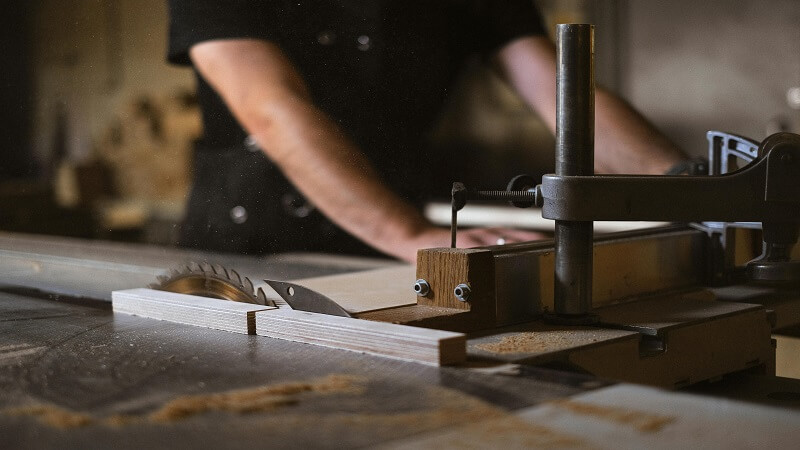
Your blade choice can mean the difference between success and failure on your next DIY project.
Choose wrong and you’ll end up with nasty cuts, ruined materials and a blade that overheats quickly. Choose right and you’ll effortlessly cut through metal and wood.
Here’s the issue…
Many DIY enthusiasts buy the first decent-looking blade they see at the hardware store. They don’t take things like tooth count, blade diameter and material compatibility into account.
This is a very expensive mistake.
With 43% of home renovators now tackling projects themselves, ensuring you can select the proper cutting tools is more important than ever before. The right HSS saw blade means cleaner cuts, longer-lasting blades and safer cutting performance.
Let’s dive into…
What you’ll learn:
- What Is an HSS Saw Blade?
- Why You Should Choose HSS Over Standard Steel Blades
- Types of Blades for Different Materials
- Specs that Matter When Picking an HSS Blade
- Tips to Maintain Your Blades Longer
What Is an HSS Saw Blade?
HSS stands for High-Speed Steel.
High-speed steel blades are designed to operate faster and hotter than standard carbon steel equivalents. They retain hardness during long cutting sessions even as temperatures rise.
Some key points about HSS:
HSS blades are made with alloy elements like tungsten, molybdenum and chromium. These materials make for an extremely wear resistant blade that stays sharp much longer.
They cut through non-ferrous metals like aluminium better than most. But HSS blades excel at cutting through plastics, thin-walled tubing and some wood-working applications too.
HSS is a great all-purpose blade to have on hand for DIY projects with mixed material needs.
Why HSS Blades Beat Standard Steel Blades
Carbon steel blades are useful. But when it comes to overall usefulness and dependability HSS outclasses them every time.
Here are some reasons why HSS blades are worth buying for your home improvement projects. HSS can withstand higher temperatures than standard steel blades can. Your blade won’t lose hardness during demanding cuts allowing you to work faster.
The global saw blade market hit USD 15.26 billion in 2023. The compound annual growth rate is expected to be over 4.7%. High-speed steel blades and other advanced technologies are a big reason the market is growing so fast.
HSS blades give you these major benefits:
- Longer life – they hold an edge longer than carbon steel
- Increased heat tolerance – no more warped or softened blades on tough jobs
- Versatility – one blade can cover many material types
If you’re tackling a variety of projects around your home DIY deserves blade versatility. HSS is the way to go.
Match Blade Types To The Material You’re Cutting
While HSS is great for many materials, not all HSS blades are ideal for every job. Choosing the right blade for your materials is half the battle.
Here are few things to look for when matching blades to material:
When cutting aluminium or other non-ferrous metals opt for HSS blades with more teeth. More teeth will give you a smoother finish on softer metals. You can even find blades marketed specifically for non-ferrous use.
Steel and other ferrous metals work best with fewer teeth and larger gullets. Extra space lets chips clear away and prevents the blade from binding up. HSS cold saw blades are ideal here.
Plastics and composite materials call for blades with alternate top bevel tooth design. This prevents chipping and melting that you’ll get from using the wrong blade.
Thin-walled tubing requires a higher tooth count to prevent grabbing and deforming. Fine pitch ensures smooth entry and exit.
The material you’ll be cutting should be the first thing you consider when choosing a new blade. Never use a wood cutting blade on metal stock.
3 Things You Should Consider When Buying a New Blade
If you walk into a tool shop you’ll quickly notice there are a LOT of blade options. To make matters worse, the specs can be confusing. Here are the things you really should be considering…
Blade Diameter
This needs to match the requirements for your saw. A blade that’s too small limits cut depth. Too big and you won’t be able to mount it safely at all.
Blades for home improvement usually range from 160mm-305mm in diameter. Check your manufacturer’s specs to verify what’ll fit your saw.
Tooth Count
Fewer teeth means faster material removal but a rougher finish. More teeth will give you smoother cuts at slower feed rates.
A mid-range tooth count will be great for most home improvement tasks. We’re talking around 40-60 teeth for general purpose circular saw usage.
Kerf Width
Kerf refers to the width of your cut. A thin kerf blade will have less cutting resistance and waste less material. These blades are perfect when using a battery powered saw with limited power.
Standard kerf blades are better suited for tough cuts. They’ll last longer with heavy use too.
Bore Size
The hole in the center of the blade must fit your saw perfectly. DO NOT use an adapter or reducer to force fit blades. They’re unsafe and cause accuracy issues. Verify the correct fit before buying any new blade.
Maintain Your Blades And They’ll Last Longer
You can buy the best HSS blade in the world but neglecting it will ruin it. Follow these easy tips to get the most out of your blades…
Clean Your Blade After Each Use
Buildup from resin, pitch and metal can gunk up your teeth. Preventative maintenance is simple. Wiping down your blade after use dramatically increases life.
Store Blades Properly
Don’t throw your blades in a toolbox haphazardly. The teeth will catch on other tools dulling them over time. Use blade guards or a storage case.
Inspect Blades Before Use
Damaged or cracked teeth can cause poor performance and are dangerous. Replace blades with missing teeth and don’t use damaged ones.
Don’t Force It
Allow the blade to cut at it’s own pace. Forcing your blade will overheat it and strain your saw’s motor. Consistent pressure will yield the best results.
Replace Old Blades
No blade lasts forever. When your blade requires extra effort to cut or turns fine cuts rough it’s time for a new one.
Bringing everything together…
Hopefully now you have a better idea of what makes a great HSS blade for home improvement. Start by asking yourself what materials will you be cutting most often? Let the materials you’ll be cutting guide your blade selection.
Remember these points:
- The type of material you’re cutting determines ideal tooth geometry
- Tooth count changes the quality of the finish
- Blades come in different diameters to match your saw
- Taking care of your blades will keep them working hard for you
A lot of DIY projects come down to having the right tools for the job. High-speed steel blades give you the performance and durability needed to take on those projects around your home.
Don’t settle for whatever blade looks best on the shelf. Think about what you’ll be cutting and use the information above to make your decision.
You’ll be surprised at how much better your projects go and how long your blades last when you do.