
Varicose veins are more than a cosmetic concern—they can cause aching, swelling, and complications that interfere with daily life and productivity. For busy professionals, agency owners, and entrepreneurs focused on growth and client deliverables, leg symptoms are often overlooked until they begin to disrupt work and mobility.
This article explains advanced varicose vein care in practical terms, including what causes varicose veins, when to seek medical evaluation, and the latest minimally invasive treatments designed to minimize downtime. It also addresses situations where vein surgery in Round Rock may be the most effective option, along with long-term prevention strategies. The goal is to equip readers with clear, evidence-based choices so they can protect their leg health without slowing business momentum.
What are Varicose Veins and How Do They Affect Leg Health
Varicose veins are dilated, tortuous superficial veins that result from venous valve failure and pooled blood. They most commonly appear on the calves and behind the knees, but can affect any superficial vein in the legs. When valves within the veins weaken, blood flows backward (venous reflux), increasing pressure and stretching the vein wall. That leads to the visible bulging, bluish veins associated with the condition.
Beyond appearance, varicose veins can produce aching, heaviness, throbbing, leg cramps, and swelling, symptoms that worsen after prolonged standing or at the end of a long workday. In advanced cases, skin changes like hyperpigmentation, itching, and venous ulcers may develop. Left untreated, chronic venous insufficiency can impair mobility and quality of life. For people managing high-stakes businesses or client accounts, untreated symptoms can subtly reduce productivity by making travel, long meetings, and standing tasks uncomfortable.
Understanding the anatomy and pathology is the first step to targeted treatment: superficial veins with reflux are typically treated differently from deeper venous disease. A duplex ultrasound is the diagnostic cornerstone: it maps reflux, measures vein diameters, and guides treatment selection.
Common Causes and Risk Factors
Varicose veins arise from a mix of genetic predisposition and environmental factors that influence venous pressure and valve integrity. Common contributors include:
- Age: Valve function declines with time, so prevalence increases with age.
- Family history: A strong hereditary component exists: having first-degree relatives with varicose veins raises risk.
- Sex hormones: Pregnancy and hormonal therapies can weaken venous walls and valves.
- Prolonged standing or sitting: Occupations requiring long periods on the feet, or conversely, prolonged sitting, raise venous pressure.
- Obesity: Excess weight increases venous load and reflux.
- Prior leg injury or deep vein thrombosis (DVT): These can damage valves and set off chronic venous disease.
Identifying modifiable risks helps prioritize interventions. For example, occupational adjustments, weight management, and early compression use can slow progression.
High-Risk Groups and When to Watch Closely
High-risk groups include pregnant people, individuals with a strong family history, those with prior DVT, and professionals who stand for hours (retail staff, hairdressers) or sit immobile (truck drivers, developers during marathon coding sessions). Symptoms that warrant expedited evaluation include rapidly worsening swelling, skin discoloration, non-healing sores, or acute calf pain and swelling (which could signal DVT). For entrepreneurs and agencies with limited time, a telehealth triage followed by a focused duplex ultrasound can be an efficient path to diagnosis.
When to Seek Medical Evaluation
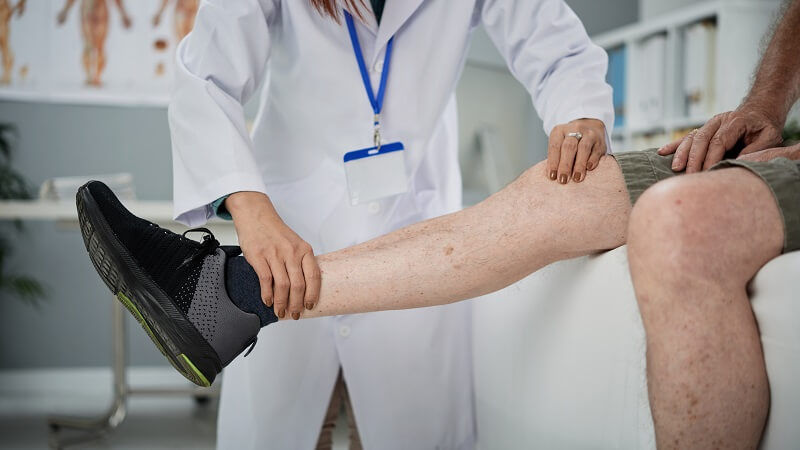
Medical evaluation is recommended when varicose veins cause persistent symptoms (aching, swelling, cramps), limit activity, or produce skin changes.
A typical clinical pathway includes:
- Clinical history and examination: Review of symptoms, occupational factors, and family history.
- Duplex venous ultrasound: Confirms reflux, evaluates the deep venous system, and measures anatomy for planning interventions.
- Discussion of treatment goals: Cosmetic versus symptomatic relief, return-to-work timelines, and risk tolerance are considered.
For people with demanding schedules, like digital marketers or agency principals, clinics offering same-day duplex ultrasound and minimally invasive treatments can reduce downtime and minimize disruption to work commitments.
Minimally Invasive Surgical Options
When superficial varicosities are extensive or larger surface veins need removal, ambulatory procedures can be combined with ablation for comprehensive correction. These approaches focus on removing symptomatic veins with minimal tissue disruption.
Ambulatory Phlebectomy and Microphlebectomy
Ambulatory phlebectomy (or microphlebectomy) removes surface varicosities through tiny incisions using specialized hooks. It’s highly effective for bulging tributaries left after saphenous ablation or when prominent surface veins are the primary complaint. Benefits include local anesthesia, minimal scarring, and quick return to activity. A single session often yields immediate cosmetic and symptomatic improvement.
Lifestyle and At-Home Management for Symptom Relief
Effective varicose vein care pairs procedural interventions with lifestyle strategies that reduce symptom burden and slow progression. These techniques are especially valuable for professionals who travel frequently, sit through long meetings, or work at standing desks.
Exercise, Weight Management, and Movement Strategies
Regular low-impact exercise (walking, cycling, swimming) stimulates calf-muscle pumping and venous return. Strengthening core and lower-extremity muscles supports venous function. Weight reduction in overweight individuals decreases venous pressure and symptom frequency. For extended travel or desk time, a simple routine of hourly standing breaks and calf raises reduces pooling: compression during long flights is strongly recommended.
Skin Care, Elevation, and Avoiding Prolonged Standing
Daily skin moisturizing prevents dryness and cracking, where venous stasis causes changes. Elevating the legs above heart level for 15–20 minutes several times a day reduces edema. Avoiding long periods of immobility, alternating between brief walks and seated stretches, lessens symptom flares. These small habits can preserve results after procedural treatment and reduce recurrence risk.
Preventive Strategies for Long-Term Leg Health
Long-term leg health after initial treatment depends on surveillance, risk modification, and timely intervention for recurrent disease.
Follow-Up Care, Monitoring, and Reducing Recurrence Risk
Follow-up typically includes a clinical review and duplex ultrasound within months after therapy to confirm closure and identify residual reflux. Regular annual checks are prudent for individuals with risk factors. Preventive actions include:
- Continued use of compression during high-risk activities (long travel, strenuous standing).
- Weight control and regular low-impact exercise.
- Prompt evaluation of new symptoms, such as increased swelling or skin changes.
For the site’s audience, entrepreneurs and agencies who depend on uptime and predictable schedules, selecting a clinic that offers coordinated follow-up and clear return-to-work guidance minimizes disruption. Just as agencies invest in a link-building strategy and ongoing monitoring to protect rankings, maintaining venous health requires the same mix of initial intervention and routine surveillance to protect long-term outcomes.
Conclusion
Advanced varicose vein care combines accurate diagnosis, modern minimally invasive treatments, and practical lifestyle measures to deliver sustained symptom relief and improved leg health. For busy professionals and business owners, the right approach balances efficacy with minimal downtime, allowing people to maintain productivity while addressing an often-neglected health issue.
When choosing care, patients should prioritize clinics that offer evidence-based options (ultrasound-guided evaluation, endovenous ablation, ultrasound sclerotherapy), transparent recovery timelines, and structured follow-up. Just as outsourcing complex SEO tasks to specialists like My Profit Engine streamlines growth and preserves internal resources, partnering with experienced vein specialists centralizes care, shortens recovery, and protects long-term leg function. Taking action early, even a single duplex ultrasound and a short consultation, can prevent progression and keep legs working as hard as their owners do.