
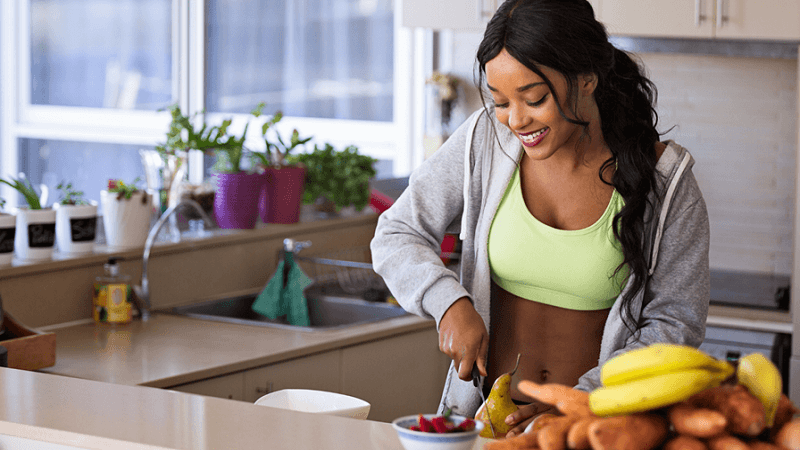
Lifestyle trends this year are less about dramatic reinvention and more about practical adjustment. People are paying closer attention to how they sleep, eat, move, spend, use technology, and structure their social lives. The common thread is intention. Instead of chasing constant productivity or novelty, many are looking for routines that feel manageable, healthier, and better aligned with daily life.
This shift reflects broader consumer behavior. Wellness research has shown sustained interest in sleep, mental health, fitness, nutrition, and technology-supported self-care, while lifestyle reporting points to slower routines, mindful digital habits, and home environments designed around comfort and function.
Wellness Is Becoming More Holistic
Wellness is no longer limited to exercise or diet. This year, the strongest lifestyle trend is a wider view of wellbeing that includes sleep quality, stress management, mobility, nutrition, and mental balance. People are not only asking how to look healthier. They are asking how to feel steadier throughout the week.
A typical example is someone replacing an intense, inconsistent routine with a more realistic one: a morning walk, simple meal planning supported by a TDEE Calculator to estimate daily calorie needs, a regular bedtime, and short breaks during work. None of these habits is extreme, but together they create a more sustainable structure.
This is also why gentle fitness, stretching, mobility work, and recovery-focused routines continue to gain attention. Wearables and health apps still play a role, but the focus is shifting from tracking every metric to understanding useful patterns.
Simpler Living Is Replacing Overloaded Routines
Simplicity has become one of the clearest lifestyle signals of the year. Minimalist homes, smaller wardrobes, calmer schedules, and fewer commitments all reflect the same idea: people want less friction in daily life.
This does not always mean strict minimalism. For many, it means making ordinary decisions easier. A person might keep a smaller set of clothing that works across different settings, organize a kitchen around meals they actually cook, or reduce weekend plans to leave space for rest.
This trend also appears in travel and leisure. Micro-adventures, local stays, short nature trips, and slower weekends are appealing because they require less planning than major trips, whether that means exploring nearby trails or using local guides for coastal destinations. They still offer novelty, but without turning free time into another project.
Top 5 Lifestyle Shifts People Are Making This Year
- Protecting sleep routines
More people are treating sleep as a core wellness habit. Regular bedtimes, calmer evening rituals, and reduced late-night screen use are becoming common. - Buying fewer, better items
Instead of frequent impulse purchases, many consumers are choosing durable clothing, reusable products, repaired items, and secondhand options. - Using technology with clearer boundaries
Smart devices, AI tools, and wearables are useful, but people are also setting limits through silenced notifications, app cleanups, and screen-free periods. - Choosing social activities with purpose
Clubs, classes, local groups, and shared hobbies are growing because they combine connection with activity, from walking groups to casual music practice supported by Chord Songs for guitar, ukulele, or piano learners. - Making homes calmer and more functional
Home design is leaning toward comfort, storage, natural textures, flexible spaces, and wellness-oriented features.
Sustainability Is Becoming a Daily Habit
Sustainability is moving away from abstract concern and into practical choices. People are looking at packaging, product life span, repairability, resale value, and whether purchases fit their actual needs. This is especially visible in clothing, home goods, personal care, and food storage.
A clear behavior example is someone choosing a secondhand jacket, using refillable cleaning products, and planning meals to reduce waste. These actions may seem small, but they show how sustainability is becoming part of normal household decision-making.
Technology Is Being Used More Intentionally
Technology remains central to modern life, but the relationship with it is changing. Smart homes, health wearables, AI assistants, and connected devices are growing because they can make routines easier. At the same time, digital fatigue has made many people more selective.
For example, someone might use a smartwatch to monitor sleep and activity, but also keep the bedroom phone-free at night. Another person may use AI to plan meals or organize tasks, while still limiting social media during work hours. The trend is not anti-technology. It is about using digital tools where they add value and reducing them where they create noise.
Conclusion
The lifestyle trends gaining popularity this year point to a more measured way of living. Wellness is becoming broader, simplicity is becoming more attractive, sustainability is becoming more practical, and technology is being used with more care. At the same time, people are placing greater value on real-world connection, functional homes, and routines that can actually last.
The most important insight is that these trends are connected. Better sleep supports mental clarity. Simpler spaces reduce daily stress. Sustainable choices encourage more thoughtful consumption. Intentional technology creates room for deeper focus and offline connection. Together, these habits show a clear direction: modern lifestyle culture is moving toward slower, smarter, and more conscious daily living.