
Stress is a constant feature in many families’ lives today, but its effects can reach far beyond feeling tense or fatigued. Experts indicate that stress is often linked to physical changes, including those affecting your oral health. Understanding these patterns can help you take steps to protect your teeth and gums.
Modern routines expose nearly everyone to stress, whether from work, family responsibilities, or external pressures. The signs may appear not just in mood or sleep but also inside your mouth. Norwich dentists have observed that stress can be associated with a range of oral health changes, including teeth grinding and gum irritation. Recognising these effects early may help maintain your oral health even during demanding periods.
Understanding how stress affects your body systems
Stress sets off a chain reaction in your body, starting with the release of hormones such as cortisol and adrenaline. These hormones prepare you for quick reactions, but they can disrupt normal body functions when elevated for too long. Prolonged stress may weaken your body’s defences and influence how cells respond to inflammation.
When stress is ongoing, it can affect immune response and the way your body heals. Mouth tissues, just like other body parts, depend on a balanced immune system for quick recovery and defence against bacteria. Higher stress levels can result in slower healing and may reduce your body’s ability to manage everyday bacteria in the mouth.
Teeth grinding, jaw tension, and oral discomfort
One sign sometimes linked to stress is bruxism, which is the habit of grinding teeth or clenching the jaw. Many people are unaware of this habit, which can occur at night or during tense moments. Over time, it may result in morning headaches, worn tooth surfaces, or jaw discomfort upon waking.
People may not notice bruxism until a partner mentions grinding noises or a dental check-up reveals wear patterns. Ongoing jaw clenching may also lead to facial pain or limited jaw movement. Possible signs include new cracks or chips in teeth, increased tooth sensitivity, and bite changes, which dental practices can look for during routine visits.
Gum inflammation, dry mouth, and breath changes under stress
Stress and oral health are closely connected. When stress disrupts routine, some people may skip brushing or flossing, or choose sugary snacks more often. Gums can become red, bleed during cleaning, or take longer to recover from irritation, particularly if inflammation exists due to plaque or gum disease.
Additionally, stress may contribute to dry mouth. Saliva plays an important role in rinsing away bacteria and neutralising acids, but its flow can decrease with stress or due to medications related to anxiety and depression. Less saliva can slightly increase the risk of tooth decay and changes in breath freshness. Regular hydration and maintaining oral care may help minimise these effects during stressful times.
Diet habits, coping routines, and oral self-care
Periods of stress often bring changes in eating and drinking habits. Some people turn to comfort foods, sugary drinks, smoking, or alcohol, sometimes more frequently than usual. These habits can have an impact on enamel, promote cavity formation, and contribute to gum irritation.
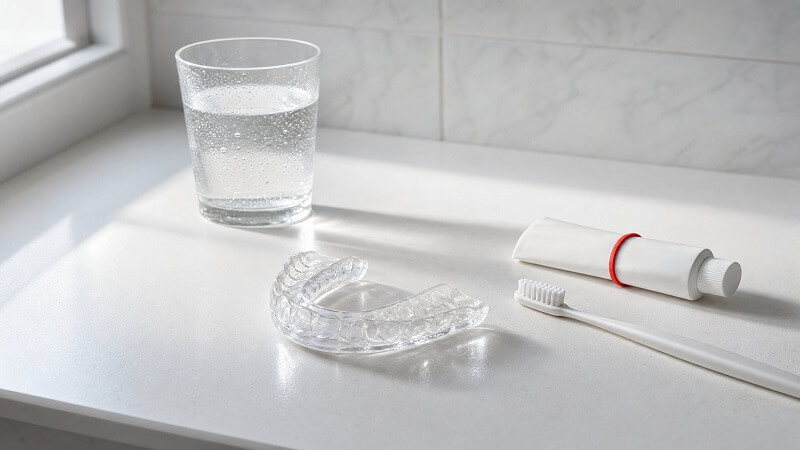
Maintaining consistent oral hygiene routines, even when life feels busy, can make a positive difference. Regular brushing, flossing, and using a fluoride toothpaste can support oral health. Some individuals may find a mouthguard at night helpful in managing teeth grinding. Remaining hydrated and reducing frequent sugary snacks or acidic drinks can also help protect teeth and gums from stress-related changes.
When professional help or assessment may be needed
While the effects of stress on oral health are often mild and temporary, certain symptoms may warrant input from a dental professional. Ongoing issues such as jaw pain, cracked or chipped teeth, bleeding gums, or sensitivity that does not improve could benefit from further assessment. Difficulty opening the mouth comfortably is another reason why dental advice may be helpful.
Identifying and addressing symptoms early may help prevent mild irritation from developing into more serious concerns. Noticing the signals your body presents during stressful times can allow you to act to safeguard long-term wellbeing, whether by seeking a local check-up or, for those nearby, visiting a dentist city of London. Understanding the relationship between stress and oral health may help families manage both daily pressures and dental care effectively.