Looking after dental implants properly is essential for their comfort, function, and longevity. Unlike natural teeth, implants require specific home care routines and ongoing attention to keep surrounding tissues healthy. By understanding the essentials of implant maintenance, you can help secure long-term dental wellbeing.
Proper implant aftercare goes beyond regular brushing and includes targeted techniques for gum health and cleaning between teeth. While dental implants in Birmingham provide a stable option for replacing missing teeth, their continued function depends on conscientious daily habits and regular monitoring. Implants are designed to act like natural teeth but require unique care, especially around the gums where problems can start. Being familiar with effective maintenance strategies supports ongoing comfort and reduces the likelihood of complications requiring further treatment.
Understanding implant structure and early warning signs
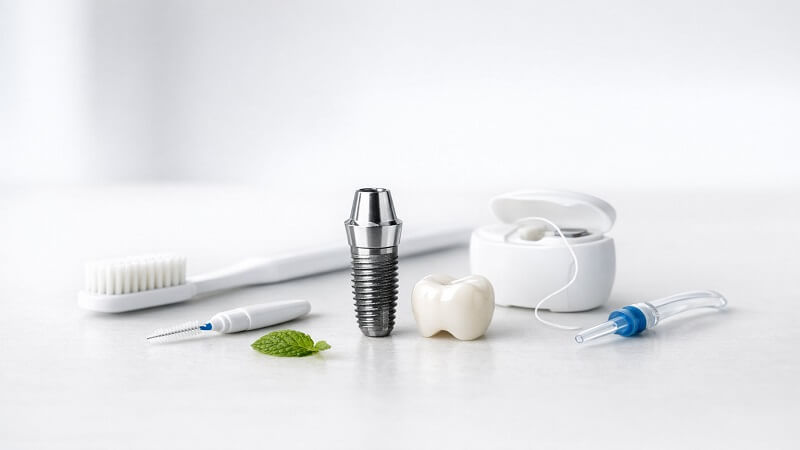
An implant consists of three main components: the metal post anchored in the jaw, an abutment connector, and the visible crown that resembles a natural tooth. Each part serves a critical function, but the gums and bone surrounding the implant are where most long-term issues may occur.
Inflammation or infection in the gum tissue around the implant base can arise if plaque is not thoroughly managed. Early warning signs include bleeding on brushing, puffiness, or mild discomfort, which could worsen without attention. Routine visual checks and gentle cleaning are important for maintaining the health of tissues supporting the implant.
Daily oral care routines for lasting implants
A careful daily cleaning routine is essential to support implant longevity. Effective brushing twice a day, with special attention along the gumline, helps reduce bacterial build-up while protecting sensitive tissues. Using a soft-bristled toothbrush and gentle, circular strokes can help avoid irritation of the gums and maintain the crown’s condition.
Cleaning between teeth and implants is as important as brushing, as plaque can accumulate in these areas. Tools such as interdental brushes, floss designed for implants, and water flossers may be useful. Selecting the right size and type for your needs will help you reach all surfaces and avoid any unnecessary irritation.
If you care for implants linked with bridges or multiple prosthetic teeth, personalised techniques and careful attention to food-trapping areas may be required. Customising your routine to match your implant configuration helps protect against gum inflammation or peri-implant disease.
Avoiding common pitfalls in implant maintenance
Neglecting to clean between implants and natural teeth is a common mistake that can reduce implant lifespan. Plaque left in these areas permits bacteria to thrive, potentially leading to gum and bone complications over time. Ensuring a consistent daily routine is key for maintaining overall oral health.
Abrasive toothpastes or hard toothbrushes may damage the crown or cause gum irritation, raising the risk of infection. If you experience bleeding or discomfort near your implants, especially soon after placement, contact a dental professional so issues can be addressed early and prevent further complications.
Lifestyle factors and professional support for implants
Diet can influence implant health both during the initial healing phase and longer term. In the first weeks, it is generally best to avoid hard, crunchy, or sticky foods, which could disturb the healing area. Even after full recovery, it is advisable not to use implant crowns for biting very hard objects, as this could put undue pressure on the restoration.
Smoking and vaping are associated with a higher risk of gum disease around implants, as tobacco may slow healing and impact gum attachment. If you notice signs such as jaw soreness or teeth grinding, using a night guard might help protect the implant structure and supporting tissue from wear or excessive force.
Regular professional check-ups and cleans by a dental hygienist remain important, even if implants feel normal. Dental clinicians will check for gum inflammation, plaque build-up, bite issues, and subtle changes not apparent to the patient. If arranging monitoring visits with a dentist in Windsor or elsewhere, consistent reviews are helpful for detecting concerns at an early stage.
If you detect ongoing bleeding, swelling, unpleasant odour, loosening, or pain on biting, seek timely evaluation. These symptoms may indicate underlying problems, and prompt intervention can keep minor issues from progressing.
Adopting a daily cleaning routine tailored to your needs, making informed lifestyle choices, and maintaining scheduled professional care all contribute to the long-term health and performance of your dental implants. Consistency and care can support the function and appearance of your smile over time.