
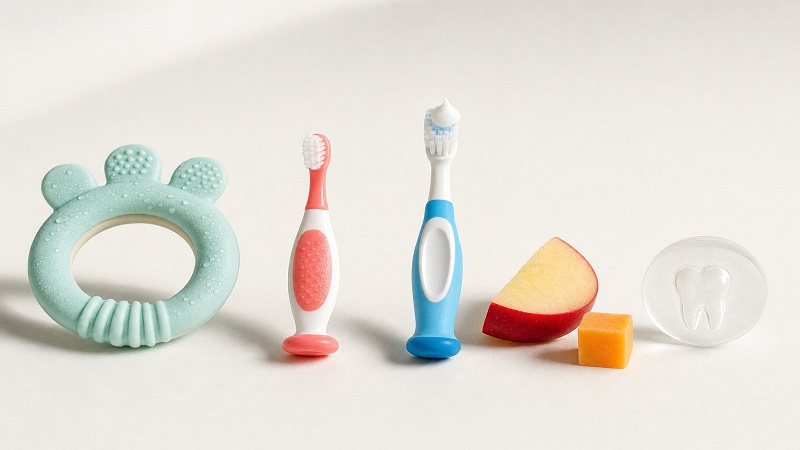
Every child’s smile develops through predictable milestones, each bringing its own challenges and opportunities for healthy habits. Understanding these stages empowers families to reduce uncertainty and encourage lifelong oral care routines. Practical guidance for each step supports not just clean teeth, but confidence and comfort for children as they grow.
Children’s dental development occurs in a series of defined stages, from early teething to the emergence of adult teeth. Recognising what to expect at each point helps parents spot potential concerns while fostering daily hygiene routines. A dentist in Berkhamstead can provide insight into normal variation in tooth eruption and effective strategies for supporting oral health at home. With clear knowledge, you can respond to changes and guide your child towards consistent, positive dental experiences.
Teething, cleaning baby teeth, and comfort routines
Teething typically begins around six months old, with some variation. The first teeth to appear are usually the lower front incisors, then the upper front teeth and others in a predictable sequence.
Babies may experience gum discomfort and increased drooling during teething. Chilled teething rings and gentle gum massages with a clean finger can soothe irritation. Avoiding sweetened teething gels may help reduce the risk of early tooth decay.
Before teeth erupt, it is useful to wipe a baby’s gums with a soft, damp cloth after feeds. This routine removes milk sugars and builds familiarity with oral hygiene practices that support healthy development.
Once teeth emerge, a small, soft-bristled toothbrush without toothpaste can be introduced. As more teeth appear, a smear of age-appropriate toothpaste may be used, taking care to teach children not to swallow it.
Introducing brushing, check-ups, and dental visits
Establishing regular tooth brushing habits early creates the foundation for long-term oral health. Supervision is recommended, as young children do not have the coordination to clean all surfaces effectively by themselves.
Care is needed with toothpaste quantities. For children under three, a smear about the size of a grain of rice is usually advised. This amount can be increased to a small pea-sized drop as children grow older and can spit after brushing.
Maintaining consistency with brushing routines can be challenging, but creating habits with songs, stories, or timers often helps children cooperate. Positive reinforcement encourages children to view brushing as a normal part of their daily routine.
First dental check-ups are typically recommended when the first tooth comes through or by the age of one. A dentist in Sidcup can assess dental development, check for signs of decay, and provide advice suited to your child’s current needs, helping children become more comfortable with dental visits.
Supporting healthy habits during mixed dentition years
The mixed dentition stage begins when permanent teeth emerge, usually around age six, and continues for several years alongside remaining primary teeth.
Children at this stage may have crowding or gaps as new teeth come in. Regular brushing and flossing are important, as food may become trapped, increasing the risk of cavities in less accessible areas.
New molars are especially susceptible to decay because their chewing surfaces can be deeply grooved. Dental professionals may recommend sealants, a protective coating that shields these teeth from bacteria and food debris.
Choosing the right toothbrush size and encouraging children to brush twice daily helps keep emerging dental structures healthy. Routine professional cleans and assessments are also important to identify potential issues early.
Preventing cavities, monitoring growth, and injury protection
Fluoride is valuable for strengthening teeth and helping prevent cavities, especially as eating habits change with age. Using fluoridated water or the correct toothpaste concentration supports this benefit throughout childhood.
Snacking patterns and sugary drinks influence the risk of cavities. Limiting sticky sweets, reducing juice consumption, and offering tooth-friendly options like cheese and raw vegetables contribute to good dental health.
Early signs of orthodontic issues, such as persistent thumb sucking or bite irregularities, may be observed by parents before becoming obvious to the child. Sharing these observations at dental appointments helps determine if a specialist review is needed, often between ages seven and nine.
For children who participate in sports, wearing a mouthguard is an effective way to protect developing teeth from injuries. If dental trauma occurs, seek prompt professional advice to reduce the risk of long-term effects and to support the best possible outcome for the child’s smile.