
Looking to slash your energy bills and make your home way more comfortable?
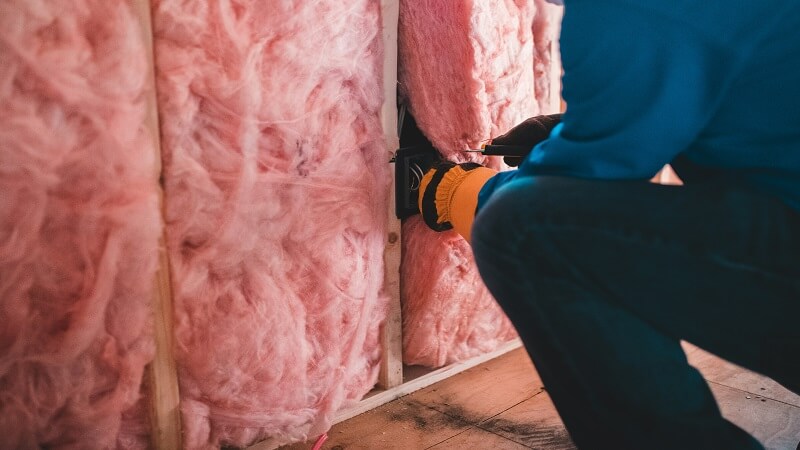
It begins with insulation. Home insulation has evolved from the pink batts your parents stuffed into the ceiling. Today’s insulation is smarter, denser, with more thermal ounces for every inch.
Here’s the kicker:
The average homeowner is paying to lose money every month due to poor or improperly installed insulation. The best part? It’s an easy (& inexpensive) fix!
This guide breaks down everything you need to know.
What you’ll discover:
- What Modern Home Insulation Actually Is
- The Top 5 Insulation Materials Used Today
- R-Value Explained (And Why It Matters)
- The Real Cost Factors To Watch Out For
- How To Pick The Right One
Let’s get into it!
What Is Modern Home Insulation?
Contemporary home insulation is the material added to your walls, attic floors and crawl spaces which retard the movement of heat in or out of your home.
Sounds simple, right?
Fine, but what about science? Heat always flows from hot to cold — insulation simply slows it down. Without insulation, your HVAC system has to work overtime maintaining comfortable temperatures.
That means higher bills and a less comfortable home.
The shocking part (to most): air leakage makes up 25-40% of energy used in homes. Money flying right out your windows. And walls.
And that’s why upgrading materials can have such a big impact. A modern insulation specialist can transform a drafty old home into one that maintains temperature.
Pretty cool, right?
The Top 5 Modern Insulation Materials
While there are many types of insulation available, here are the 5 most common types used in residential homes today.
Spray Foam
Spray foam is the gold standard right now.
It is sprayed on as a liquid, expanding to fill every crevice around it, and curing as a solid gas-tight seal. There are two primary types:
- Open-cell: Lighter, cheaper, better for interior walls
- Closed-cell: Denser, higher R-value, blocks moisture too
The trade-off? It costs more upfront. But it lasts decades without settling or sagging.
Fiberglass
Fiberglass batts are still the most popular insulation in America.
Why would you do that? Well they’re inexpensive and simple to install. Plus you can totally do it yourself if you don’t mind handling the material (wear gloves).
However fiberglass suffers from one big problem – when wet or compressed its R-value decreases greatly.
Cellulose
Cellulose is made mostly from recycled paper treated with fire retardants.
It is environmentally friendly, blown into attics and wall cavities, and conforms well around wires, ducts, etc. It’s a nice compromise option for homeowners who want some effectiveness without breaking the bank.
Mineral Wool (Rockwool)
Mineral wool is made from spun rock or slag fibers.
Here’s why people love it:
- Fire-resistant up to extremely high temperatures
- Great soundproofing properties
- Doesn’t absorb water like fiberglass
It costs more than fiberglass but less than spray foam.
Rigid Foam Boards
Rigid foam boards (polyiso, XPS, EPS) are rigid panels used on exterior walls, below grade and on roofs.
They have a high R-value per inch and provide a continuous barrier – less cracks and crevices for heat to escape.
R-Value Explained
R-value is the most important number you need to understand.
Here’s what it means: R-value indicates how resistant to heat flow a particular material is. The higher the R-value, the better the insulation performs.
Different materials have different R-values per inch:
- Spray foam (closed-cell): R-6.0 to R-6.5
- Spray foam (open-cell): R-3.5 to R-3.8
- Fiberglass: R-2.2 to R-4.3
- Cellulose: R-3.2 to R-3.8
- Rigid foam: R-5.0 to R-6.5
- Mineral wool: R-3.0 to R-4.0
But here’s the catch…
The R-value is not the whole story. Even insulation with a high R-value can perform poorly if it has gaps and leaks around it.
That’s why spray foam usually performs better than higher R alternatives – it seals air leaks AND insulates.
How Much R-Value Do You Need?
It depends on where you live. Colder climates need more.
- Hot climates (Zone 1-2): R-30 to R-49 in attics
- Moderate climates (Zone 3-4): R-38 to R-60 in attics
- Cold climates (Zone 5-7): R-49 to R-60+ in attics
Walls usually require between R-13 and R-21 depending on your climate.
Cost Factors To Consider
Now for the part you’ve all been waiting for….HOW MUCH?!
Insulation costs these days can range greatly depending on type of insulation, size of home and local labor costs.
Here’s a rough breakdown per square foot:
- Fiberglass batts: $0.30 – $1.50
- Cellulose (blown-in): $0.60 – $2.30
- Open-cell spray foam: $1.00 – $1.50
- Closed-cell spray foam: $1.50 – $3.50
- Rigid foam boards: $0.75 – $2.00
- Mineral wool: $1.00 – $2.50
For an average sized home, fiberglass typically has the lowest installed cost while spray foam is the highest but has the quickest ROI.
What Affects The Final Price?
A few things drive up cost more than others:
- Home size: Bigger home = more material needed
- Accessibility: Hard-to-reach attics or crawl spaces cost extra
- Removal: Old insulation has to come out first sometimes
- Climate zone: Colder areas need thicker layers
- Labor: This can be 60% of your total bill
One last thing that could sway you – don’t forget about the tax credits. You qualify for a 30 percent federal tax credit, up to $1,200/year, on certain insulation/weatherization upgrades. That makes this project far less expensive than the prices quoted above would seem.
Long-Term Savings
This is where modern insulation really pays off.
According to the EPA, homeowners save 15% on heating and cooling costs by air sealing and adding insulation. Over a decade or two, that’s thousands of dollars saved!
Plus your home is more comfortable, quieter, and easier on the HVAC system.
That’s a triple win.
Final Thoughts
Modern home insulation isn’t just about stuffing material into your walls anymore.
Selecting the correct product, achieving the proper R-value and ensuring everything is sealed correctly. If you get these 3 things dialed in you will see a drastic change in your monthly expenses.
To quickly recap:
- Pick the right material for your needs and budget
- Match the R-value to your climate zone
- Factor in air sealing, not just R-value
- Take advantage of tax credits and rebates
- Hire a professional if the job is complex
Facts are, the proper modern insulation upgrade will pay for itself in just a few years and continue saving you money each year following.
A home that holds its temperature is a home that holds its value too.