
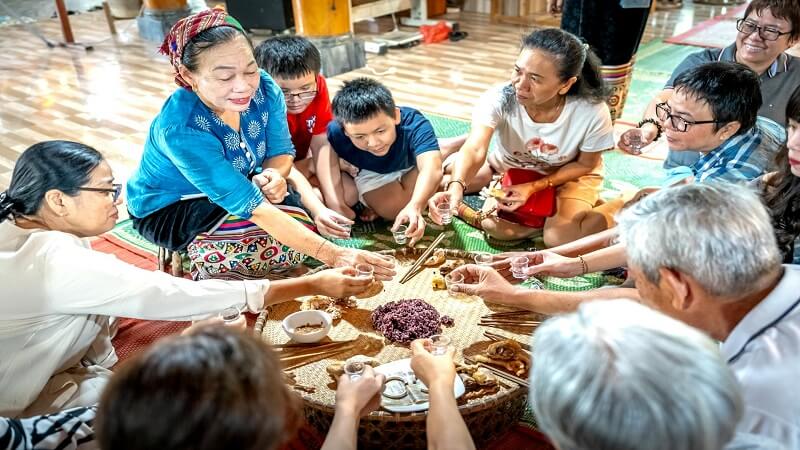
Ask someone about their favourite family memory and the answer is usually something oddly ordinary. The same meal cooked every birthday. A yearly trip to the seaside where it always seemed to rain at least once. A grandparent who never arrived without a bag full of snacks. The film everyone watched every Christmas despite knowing exactly how it ended. At the time, these moments hardly felt important. They were simply part of life. Only later does their value become obvious.
The Comfort of Familiar Things
Life has a habit of changing when nobody is ready for it. Children become teenagers. Teenagers become adults. Jobs change, houses change, schedules change. Some relatives move away. Others join the family. Sometimes life changes so rapidly that it’s hard to keep up. That’s why familiar customs are important.
When everything else seems unfamiliar, a yearly festival, a favourite dish, or a regular family get-together offer a feeling of constancy. Knowing that some particular things haven’t changed is consoling. Familiar rituals serve as a reminder of one’s place in society, not because individuals are resistant to change. Over time, even something as basic as getting together for tea every Sunday afternoon might grow to be rather significant.
Why Meals Still Bring People Together
Family meals are a way to stay connected. Someone is checking whether dinner is burning. Someone else is talking over and keeps interrupting everybody. One family member arrives late and another wants to leave early. Yet people keep gathering.
The reason is simple. Meals create opportunities for interaction that happen naturally rather than being arranged. A conversation about homework suddenly turns into a discussion about future ambitions. News that might have remained unspoken finds its way into conversation. Small concerns are noticed before they become larger worries. Connection doesn’t always arrive through meaningful speeches. More often, it develops through repeated everyday interactions.
Children Learn More from What They See
Most adults can remember advice they ignored growing up. What often stays with people instead are examples. Children notice who offers help when someone is struggling. They notice whether promises are honoured. They observe how individuals behave when they have nothing to gain from it. Because of this, customs that emphasise giving can have a long-lasting effect.
Some families work together as volunteers. Others back neighbourhood projects or food programs. There are customs in many cultures and religious groups that support aiding individuals in need. For example, some homes take part in Qurbani programs that give food to families that may otherwise find it difficult to have nutritious meals. Experiences like this frequently start conversations about thankfulness, empathy, and social responsibility in addition to providing immediate comfort.
First-hand observations of lessons tend to stick with children longer than instructions.
The Stories Everyone Knows by Heart
Every family has stories that seem impossible to retire. The holiday disaster that somehow becomes funnier every year. The relative who confidently followed the wrong directions. The birthday cake that melted before guests arrived. Everyone knows exactly what comes next. The story is told anyway.
These repeated stories serve a purpose beyond entertainment. They connect generations. They help younger relatives understand family history while allowing older relatives to revisit memories that still bring laughter.
Family stories are often imperfect. Details become exaggerated. Certain parts grow slightly more dramatic over time. Nobody minds. In fact, that is usually part of what makes them memorable.
Making Space Away from Screens
One challenge many families face today is not finding time together. It is protecting attention while spending that time together. A quick glance at a notification becomes twenty minutes. One video leads to another. Before long, an entire evening has disappeared. As a result, many families are creating small traditions designed to slow things down.
A walk after dinner. A monthly games night. Breakfast together on weekends. A family outing with phones left in pockets rather than hands. None of these activities are ground-breaking. What matters is the chance to be fully present.
Without constant distractions, conversations often become easier and relationships feel a little stronger.
The Moments That Stay
People rarely look back on life and talk about how efficiently a week was organised. They talk about people. They remember the annual gathering where cousins reunited. The favourite recipe passed down through generations. The tradition nobody questioned because it had always existed. Most of these memories seemed completely ordinary at the time. That may be the reason they matter so much.
Family traditions are not important because they are impressive. They are important because they create familiarity, connection and belonging. Through countless ordinary moments, they quietly shape relationships and help carry family values from one generation to the next.