
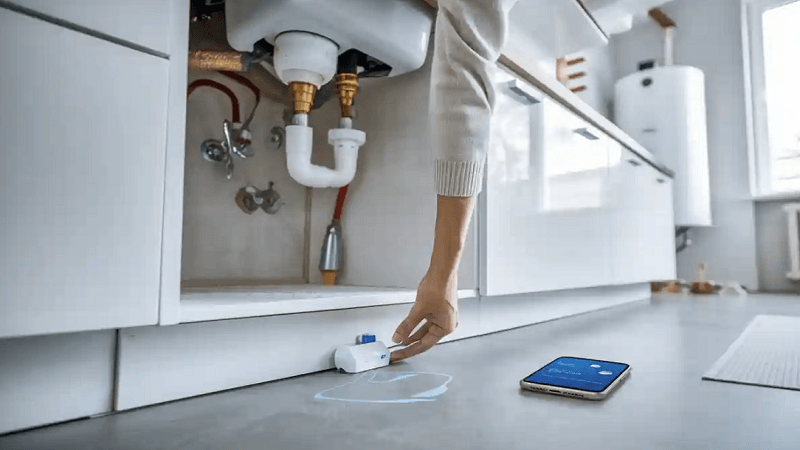
Water leaks, if not detected early, can lead to significant damage to property, escalating repair costs, and a waste of resources. Employing efficient water leak detection techniques is essential for protecting your property from such potential hazards.
Understanding the Importance of Water Leak Detection
Water leaks can occur in various parts of a property, including walls, ceilings, under sinks, and beneath floors. The critical challenge lies in detecting these leaks before they cause severe damage. Early detection can save substantial amounts of money and prevent the inconvenience associated with water-related issues.
Common Signs of Water Leaks
Before implementing detection techniques, recognising the signs of water leaks is crucial. Common indicators include an unexplained increase in water bills, damp spots on walls, or a persistent musty smell in certain areas of a property.
Traditional Methods of Leak Detection
Conventional techniques for detecting water leaks include manual inspection and acoustic detection. Manual inspection involves checking all visible plumbing fixtures for leaks. Acoustic detection uses specialised equipment to listen for the sound of water escaping from pipes.
Modern Technology in Leak Detection
Advancements in technology have introduced modern tools for effective leak detection. Infrared thermography and ground microphones are two prominent methods that improve accuracy and efficiency in identifying leaks.
Infrared Thermography
Infrared thermography involves the use of thermal cameras to identify temperature variations in structures, which may indicate the presence of leaks. This technique is particularly useful in detecting leaks behind walls or under floors, where manual inspection is not feasible.
Ground Microphones
Ground microphones are used to detect the sound of water leaks, even those occurring deep underground. These devices amplify the sound of water escaping, allowing for precise pinpointing of the leak location.
Advantages of Regular Leak Detection
Regular water leak detection can prevent the progression of leaks into more serious issues. Taking proactive measures ensures that leaks are addressed before they escalate, potentially saving thousands in repair costs.
DIY vs. Professional Leak Detection
Property owners often face the choice between do-it-yourself (DIY) methods and hiring professionals for leak detection. While DIY could be cost-effective for surface-level leaks, professional services provide thorough and accurate detection, especially for concealed leaks.
Choosing the Right Leak Detection Service
Selecting a competent water leak detection service involves considering factors such as the company’s experience, reputation, and the technology utilised. Investing in a reliable service can mitigate risk and ensure the integrity of the property.
Impact of Undetected Water Leaks
Undetected water leaks can result in structural damage, mould growth, and even affect the quality of drinking water. Long-term exposure to moisture can compromise the safety and habitability of a property.
Cost Implications of Water Leaks
While the initial cost of professional leak detection services may seem high, it is negligible compared to the potential costs of undetected leaks. Repairing water damage and addressing mould issues can result in substantial expenses.
Conclusion
Protecting your property from the risk of water damage necessitates the adoption of effective water leak detection techniques. By employing modern detection tools and professional services, property owners can ensure early detection and mitigation of water leaks, thereby safeguarding their investment.