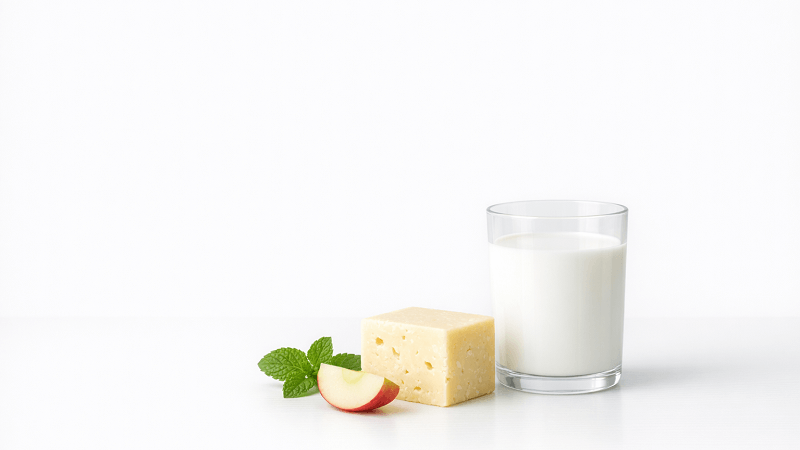
Children’s dental health is a crucial aspect of their overall well-being, and nutrition plays a vital role in maintaining healthy teeth. Poor dietary choices can lead to common dental issues such as cavities and gum disease, impacting a child’s quality of life. Understanding the relationship between diet and dental health can help parents make informed decisions for their children.
Ensuring that children maintain good dental health is essential for their development and well-being. Nutrition significantly influences the strength and condition of their teeth, affecting how they grow and function. The foods that children consume can either fortify or weaken their dental health, making it important for parents to be aware of what they feed their children. With proper guidance, parents can help prevent dental problems by focusing on a balanced diet rich in essential nutrients. For more information on maintaining dental health, visit www.dentistinrichmond.co.uk.
The basics of children’s dental health
Dental health in children involves more than just brushing and flossing; it encompasses understanding the common issues that can arise without proper care. Cavities, also known as dental caries, are a prevalent issue among children and occur when bacteria in the mouth break down sugar, producing acid that erodes tooth enamel. This process is accelerated by frequent consumption of sugary snacks and drinks. Gum disease, another concern, is caused by the build-up of plaque along the gum line, leading to inflammation and potentially more severe problems if left untreated.
Parents should be aware that children’s teeth are still developing, making them more susceptible to damage. Milk teeth, or baby teeth, play a critical role in holding space for adult teeth and ensuring proper alignment as children grow. When these temporary teeth are compromised due to poor nutrition or inadequate care, it can affect permanent teeth development. Regular dental check-ups are vital for monitoring any potential issues early on and ensuring effective preventative measures are in place.
Nutritional requirements for maintaining strong teeth
A balanced diet is fundamental in promoting strong and healthy teeth in children. Key nutrients such as calcium, vitamin D, and phosphorus are essential in this regard. Calcium is crucial for building strong bones and teeth, while vitamin D helps the body absorb calcium more effectively. Phosphorus works alongside calcium to strengthen tooth enamel, making it more resistant to decay.
In addition to these nutrients, vitamin C is important for maintaining healthy gums. It helps repair tissues and prevents gum inflammation by supporting collagen production. Ensuring an adequate intake of these vitamins and minerals can be achieved through a varied diet that includes dairy products like milk and cheese, which are excellent sources of calcium. Leafy greens such as spinach provide both calcium and vitamin C, making them an ideal choice for meals.
Incorporating essential nutrients into daily meals
Parents should aim to incorporate foods that support dental health into their child’s daily diet. Dairy products like yoghurt are not only rich in calcium but also contain probiotics that promote healthy gums by balancing oral bacteria levels. Leafy greens such as kale offer a wealth of nutrients without being high in calories, making them perfect additions to salads or smoothies.
Another beneficial food group includes nuts like almonds, which provide a good source of protein and phosphorus while being low in sugar. This makes them an excellent snack option for maintaining strong teeth. Additionally, crunchy fruits such as apples stimulate saliva production, which helps rinse away food particles and buffer acid levels in the mouth. These foods contribute positively to oral hygiene when included regularly.
Understanding which foods negatively affect teeth
While some foods promote dental health, others can have detrimental effects on children’s teeth. Sugary snacks and drinks are primary culprits responsible for cavities as they provide food for bacteria that produce enamel-damaging acids. Sticky sweets that cling to the teeth exacerbate this issue by prolonging exposure time to sugar.
Acidic beverages like fizzy drinks and citrus juices can erode tooth enamel over time if consumed frequently. It’s important for parents to limit these items in their child’s diet or encourage moderation with alternatives such as water or milk instead of sugary drinks. Educating children about the impact of these foods on their oral health empowers them to make better dietary choices.
Tips for parents on enhancing children’s diets
Parents looking to improve their child’s diet for better dental health can start by including more whole foods rich in necessary nutrients while reducing sugary snacks’ availability at home. Encouraging children to drink water after meals helps wash away residual sugars from their mouths naturally.
Introducing healthier snack options like carrot sticks or cheese slices provides nutritional benefits without harming oral hygiene standards set at home or school environments alike. Cooking meals together fosters an understanding among younger family members regarding what constitutes balanced eating habits conducive towards robust growth both physically and mentally.