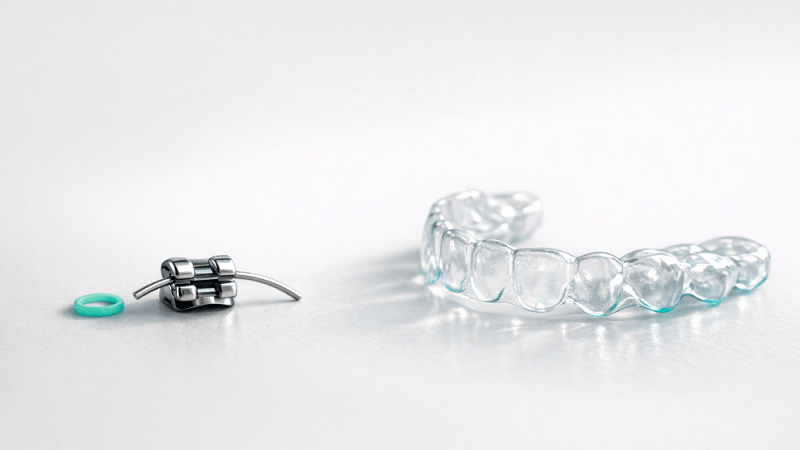
Choosing between braces and clear aligners can feel complicated, especially when considering family routines, practical needs, and long-term oral health. Both methods are designed to straighten teeth, but work in different ways and may be more suitable for different lifestyles and dental needs. This article looks at the main differences so you can consider the options more clearly.
Navigating orthodontic options involves understanding not just how braces and clear aligners move teeth, but also how these approaches may affect your daily life and comfort. Both methods work by gradually moving teeth through gentle force, either by fixed brackets or clear removable trays. Your decision can affect aspects such as daily habits and oral hygiene routines, so it is useful to know how these treatments differ. Practices such as Elite Orthodontics and similar providers typically assess these factors when recommending an approach. Being informed can facilitate discussions with a dental professional to find a suitable option for you or your family.
How traditional braces and aligners straighten teeth
Traditional fixed braces use small brackets attached to the surface of the teeth, joined by a flexible wire. This system applies continuous pressure, causing gradual movement of teeth over time. Brackets may be metal, which is visible and durable, or ceramic, which is less noticeable. Braces require regular adjustment appointments, during which the orthodontist tightens or repositions the wire to maintain steady progress. When wearing braces, you will feel their presence most when eating, brushing, and speaking, as they remain in place until the end of treatment.
Clear aligners, on the other hand, are custom-moulded plastic trays designed to fit closely over teeth. A series of slightly different trays are used, each one creating minor adjustments over a set period. Trays are typically changed every one or two weeks as directed by your orthodontist. Most directions recommend wearing aligners for about 20-22 hours per day; not meeting this can slow or reduce effectiveness. Since you remove trays for eating, brushing, and drinking (excluding water), adapting your oral hygiene habits is important to ensure good results and oral health.
Comparing suitability, effectiveness, and day-to-day impact
The suitability of orthodontic treatment depends on the type and complexity of your dental or bite concerns. Simple misalignments or mild crowding can often be addressed with clear aligners, while more complex cases may be better treated with braces, which allow more precise control. Clear aligners depend largely on patient compliance, since movement only occurs if trays are worn properly—this can be more challenging for teenagers who may forget or misplace trays. Fixed braces, by contrast, do not rely on daily habits in the same way, which may provide more consistent results for complex corrections.
Some situations can be managed with either approach, but an orthodontist may recommend fixed appliances when more substantial changes are required. For those taking part in sports or playing wind instruments, clear aligners offer flexibility, as trays can be briefly removed, lowering some risks or discomforts linked to wires and brackets. However, the success of aligners depends on adherence and proper care; inconsistent use can mean teeth move less or treatment takes longer than anticipated.
Comfort, aesthetics, and upkeep in daily routines
Many people experience discomfort in the initial days after braces are fitted or after switching to a new aligner tray. Braces may cause soreness when wires are tightened and sometimes irritate lips and cheeks, especially with metal brackets. The appearance of traditional braces can also be a consideration for some, as visible brackets may impact confidence at work or socially. Ceramic braces and clear aligners generally draw less attention, which may appeal to adults or teenagers concerned about appearance. Clear aligners are usually transparent and fit closely over teeth, causing mild tenderness but typically fewer sores from brackets.
Maintaining oral hygiene can be more demanding with braces, as brackets and wires create areas where food debris can collect, potentially leading to sensitivity or increased risk of decay if not cleaned thoroughly. Using special brushes and regular care helps reduce these risks. For aligner wearers, trays are removed for eating and drinking (other than water), which reduces trapped food but means teeth should be cleaned before reinserting aligners. Aligners need to be cleaned to prevent staining and odours, and inadequate oral hygiene can still result in plaque build-up and gum irritation. The ease of managing day-to-day care varies with individual routines and how consistently cleaning and maintenance are performed.
Diet, cost, and factors influencing treatment choice
Braces may limit the types of food you can comfortably eat, as hard, chewy, or sticky items can damage brackets or wires and prolong treatment. Many adapt their diet and routines accordingly, focusing on eating foods that are easier to manage and maintain oral cleanliness. Aligners allow for more flexible eating since trays can be removed for meals, but it is important to brush before reinserting them—especially after consuming foods or drinks that are sugary or staining. This convenience can be less practical in social situations or for those who snack frequently, and improper cleaning could result in stained trays or affect dental health.
Cost differences between braces and clear aligners are influenced by treatment complexity and the level of ongoing monitoring. Clear aligners may have higher upfront costs if more trays or advanced digital planning are needed, while braces often include adjustment appointments in the total cost. Additional factors such as mid-treatment changes, extra appointments, or the need for additional trays or repairs can impact the total expense and timeline for both options. Requesting itemised costs and comparing the overall services—not just the starting price—can provide a clearer comparison. Discussing your lifestyle, goals, and habits with an orthodontist, or a dentist in Loughborough, can help identify which method may best fit your long-term dental health needs and personal circumstances.