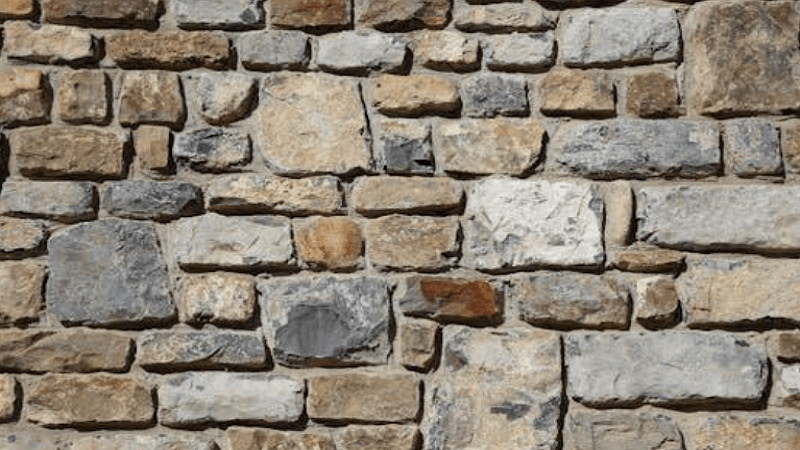
Landscapes rarely fail because of planting. It fails because the ground moves, water misbehaves, and time keeps score. Retaining walls sit at the intersection of physics and taste, which means mistakes look ugly and cost money. Precast retaining walls cut through the usual mess of on-site forming, curing, and guesswork. They arrive as finished components, made under controlled conditions, then assembled with discipline. The result suits gardens, driveways, terraces, and commercial schemes that need clean lines and predictable performance. Nobody enjoys rebuilding a wall twice. Nobody enjoys explaining it, either.
Speed That Actually Matters
Precast walls shorten programs in a way that clients can sense. Manufacturers cast units off-site while groundwork continues, then crews set them quickly once foundations pass inspection. Less wet concrete on site means fewer weather delays and fewer frantic cover-ups with tarps. Suppliers such as JP Concrete (jpconcrete.co.uk) also simplify specifications because units come with known dimensions and consistent finishes. Time savings ripple outward. Fewer site days reduce disruptions for neighbours, cut hiring costs, and lower the risk of a half-built slope turning into a muddy hazard after rain. Schedules stop wobbling. Gardens reopen sooner.
Predictable Strength, Fewer Surprises
A retaining wall doesn’t negotiate with soil pressure. It resists it, or it cracks. Precast production controls mix quality, reinforcement placement, and curing to achieve repeatable strength. On-site pours invite human error. Wrong water content. Rushed vibration. A cold snap at the worst moment. Those slip-ups later manifest as staining, spalling, or movement. Precast units also allow proper engineering checks because the product stays consistent from batch to batch. Designers can calculate loads with confidence, not hope. Insurers tend to like that. Clients sleep better.
Cleaner Sites and Cleaner Lines
Landscaping lives or dies at the edges. Precast walls offer crisp arrises, uniform textures, and joints that read as intentional rather than accidental. Sitework stays tidier, too. Crews handle fewer materials, pour less concrete, and cart away less waste. In small gardens with limited access, this is particularly crucial. Noise drops. Dust drops. The garden survives the build with less trauma. A neat installation also makes drainage and backfill easier to inspect, preventing hidden faults from developing beneath the surface. Order beats chaos. Neighbours notice the difference.
Flexible Design Without the Drama
Precast does not mean boring. Units come in varied heights, finishes, and profiles, which suit modern terraces, rustic planting beds, and sharp commercial levels. Modular systems let installers step over walls, curve them gently, and integrate stairs or seating. The clever part lies in repetition. Designers get visual rhythm, while builders get straightforward placement. Repairs also become simpler because individual units can be removed and replaced without demolishing an entire structure. That swap-out ability matters when services change or tree roots misbehave. Future work remains possible. A wall can adapt.
Conclusion
Landscape precast retaining walls are distinctive. Sure. They expedite construction, improve quality, reduce mess, and enable design options without turning the site into a lab. There are fewer delays, defects, sharper details, and improved drainage and level management. Water and gravity continue after the contractor leaves, making that last point most crucial. Slopes can be turned into a stable, planned space with a competent precast system. Good landscaping feels natural. Fighting halts.