
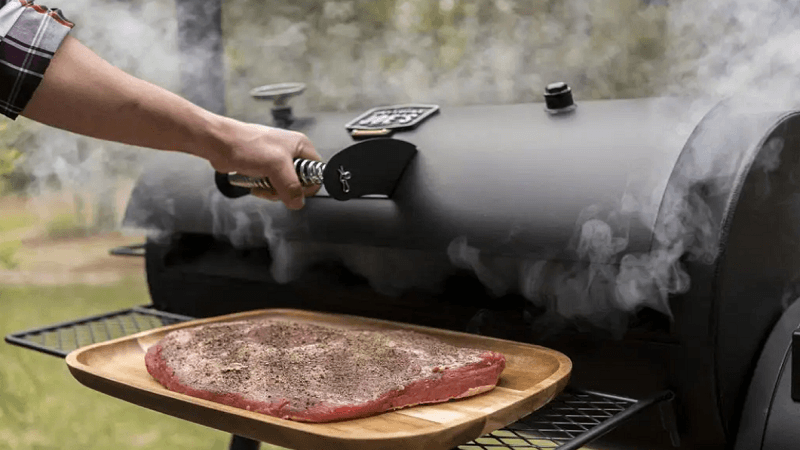
There is a particular moment that seems to happen to a lot of people who get seriously into barbecue: a switch flips somewhere between the fourth and the tenth attempt at proper slow-cooked brisket, and what started as an occasional weekend activity becomes something closer to a genuine pursuit. Suddenly, you are reading about smoke rings, researching wood varieties, and defending the merits of a particular rub recipe with the conviction normally reserved for football team loyalty. This is not a bad thing to have happen to you.
What Separates Barbecue from Grilling
The distinction that matters here, and that genuinely confuses a lot of newcomers, is between grilling and barbecue in the proper sense of the word. Grilling is fast, hot, direct cooking — burgers, steaks, sausages, all done in minutes over high heat. Barbecue, properly understood, is the opposite: low temperatures, often between 100 and 130 degrees Celsius, sustained for many hours, with the food positioned away from direct heat and bathed instead in smoke. The results — properly tender pulled pork, a brisket with a dark, flavourful bark and a tender interior, ribs that pull cleanly from the bone — are simply not achievable through fast, hot grilling, no matter how skilled the cook.
This is the appeal that draws people in deeper. Grilling is a useful skill. Proper low-and-slow barbecue is closer to a craft, with genuine technique to master, ingredients and equipment to understand properly, and a learning curve that rewards patience and repetition in a way that a quick midweek grill simply does not offer.
Wood: The Variable Most Newcomers Ignore
Once the basic technique of maintaining a low, steady temperature is under control, wood selection becomes the next genuinely interesting variable to explore. Different woods impart noticeably different flavours: hickory gives a strong, classic, slightly bacon-like smokiness that suits pork particularly well; oak is more moderate and versatile, working well across most meats; fruit woods like apple and cherry are milder and sweeter, often favoured for poultry and pork where a heavier smoke could overwhelm the meat; mesquite is intense and slightly bitter if overused, but prized in smaller quantities for beef.
Experimenting with different woods, and combinations of woods, is one of the more enjoyable rabbit holes that proper barbecue opens up — there is a meaningful difference between a brisket smoked purely on oak and one finished with a portion of cherry wood added in the final hours, and discovering these differences for yourself is part of what makes the hobby genuinely engaging rather than simply a set of instructions to follow.
Rubs and Marinades: Building Flavour in Layers
Proper barbecue technique treats flavour as something built in layers over time rather than added once at the table. A dry rub applied generously several hours or even a full day before cooking begins drawing moisture to the surface of the meat, which then dries slightly and forms the foundation of what eventually becomes the prized bark, the dark, intensely flavoured crust that develops on a properly smoked brisket or pork shoulder.
There is a meaningful amount of genuinely good guidance available on building rubs and marinades properly for barbecue specifically, as distinct from quick grilling. A clear, well-explained guide to the difference between rubs and marinades and which to reach for depending on the cut and the cooking method is well worth working through for anyone moving beyond a basic salt-and-pepper approach, since the right technique varies considerably depending on whether you are cooking quickly over direct heat or slowly over many hours.
Patience as the Actual Skill
If there is one single quality that separates competent low-and-slow cooks from frustrated beginners, it is patience, applied in two specific and slightly counterintuitive ways. The first is resisting the urge to open the lid and check on the food constantly, since every time the lid comes off, heat and smoke escape and the cooking time effectively resets. The second is accepting that a properly cooked brisket or pork shoulder is done when an internal probe says it is tender enough, not when the clock says a certain number of hours have passed — cooking times for the same cut and weight can genuinely vary by several hours between two attempts depending on factors that are not always obvious at the time.
Newcomers who expect barbecue to behave with the predictability of a kitchen oven recipe tend to find this frustrating at first. Those who settle into treating each cook as a slightly different problem to read and respond to, rather than a fixed recipe to follow exactly, tend to enjoy the process considerably more and improve much faster.
Equipment That Actually Supports the Hobby
A basic kettle barbecue can be coaxed into producing genuine low-and-slow results with enough skill and attention, but most people who get seriously into the hobby eventually move towards equipment built specifically for sustained, controlled low temperatures: an offset smoker, a kamado-style ceramic grill, or a pellet smoker with a reliable temperature controller. Each has a slightly different learning curve and a slightly different flavour profile, and the smokers and pellet grills currently available at Dobbies are worth comparing properly if you are at the stage of moving from a standard grill towards equipment genuinely built for the long, low cooks that proper barbecue depends on.
The Long Game
Nobody produces a genuinely excellent brisket on their first attempt, and most people who have got good at it will tell you, with a degree of pride, about the dry, tough, or oddly bitter results of their early efforts. This is part of what makes it a hobby rather than a quick skill to be ticked off a list: the improvement is gradual, the failures are instructive, and the eventual competence feels properly earned in a way that few weekend pursuits manage to replicate.