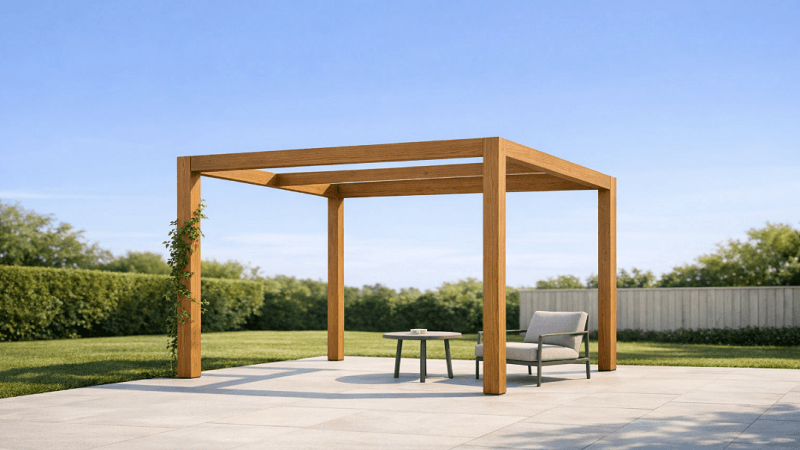
Adding a well-designed pergola can transform how a family uses their garden throughout the year. Careful planning ensures the structure creates inviting, practical spaces for both relaxation and activity. Custom options allow you to tailor features and dimensions to suit your specific routines and preferences.
Defined outdoor zones are essential in shaping how a garden serves daily life. When you thoughtfully incorporate bespoke pergolas, you introduce a flexible overhead structure that not only helps create distinct spaces but also encourages everyone to spend more time outdoors. A personalised design clarifies how different garden areas will be used, whether for eating, playing, or unwinding. For those seeking to get the most from their available green space, a tailored pergola layout helps ensure your garden supports your family’s lifestyle.
Adding value and structure with a garden pergola
A pergola introduces shade and protection, extending the time you can comfortably use your outdoor space. Unlike solid roofs, pergolas provide partial shelter, letting in natural light and fresh air, while reducing exposure to intense sun or light rain.
Visually, a pergola defines the garden landscape, creating an open-air room without enclosing the area entirely. The posts and beams draw the eye upwards, offering a sense of boundary that helps arrange furniture and activities under the structure. If you want a balance of openness and privacy, a carefully chosen pergola design can provide this balance.
Adapting the layout to your household’s lifestyle
The way your family uses the garden determines the most effective approach to dividing and organising space. Distinguishing between dining, lounging, and play areas helps ensure each activity gets appropriate room and placement, supporting smooth daily routines for everyone in the household.
Consider how furniture, buggies, bikes, and storage solutions will move through the area. Allowing enough space for comfortable circulation avoids overcrowding and maintains accessibility. The need to supervise children or gatherings means sightlines should be kept clear, linking high-use zones conveniently with the main living area.
Making correct decisions on size and location
To avoid common issues, measure out the pergola’s footprint accurately, considering both usable floor area and clear pathways around it. Generous circulation space helps prevent bottlenecks and ensures the structure works well for various family activities.
Placing the pergola for an appropriate amount of sun and shade is important, while retaining privacy from neighbouring properties. Proximity to the house affects access and how naturally you move between indoors and outdoors. For added security, features like mortice deadlocks may be used for adjacent storage units. Avoid locations that leave the pergola feeling disconnected or overly exposed.
Choosing materials, finishes, and practical enhancements
Timber is a popular material for bespoke pergolas as it offers flexibility and a natural look. Various wood types and finishes, such as light oak or darker options, can complement your home’s exterior or overall landscape style. Properly treated finishes help the structure resist weathering, maintaining appearance and safety over time.
Prioritise practicality when selecting materials and planning for long-term care. Ensure there is adequate drainage and airflow, especially on damp or non-porous ground, to reduce moisture problems. Low-maintenance finishes support easier seasonal cleaning and help extend your pergola’s lifespan with less effort.
Enhancing comfort, safety, and garden enjoyment
Comfort features can make your pergola more suitable for frequent use. Additions like retractable screens, built-in lighting, or climbing plants provide privacy and soften the space while adjusting to different needs. These flexible enhancements allow the pergola to accommodate gatherings, study sessions, or quiet relaxation.
Safety should be a priority, especially for households with children. Opt for designs with smooth, rounded edges and secure fixtures able to withstand regular use. Surfaces should be kept free from slip hazards, and a regular maintenance schedule should include checking for loose fittings or signs of wear. With these considerations, a garden pergola can support safe, flexible, and enjoyable family activities throughout the year.