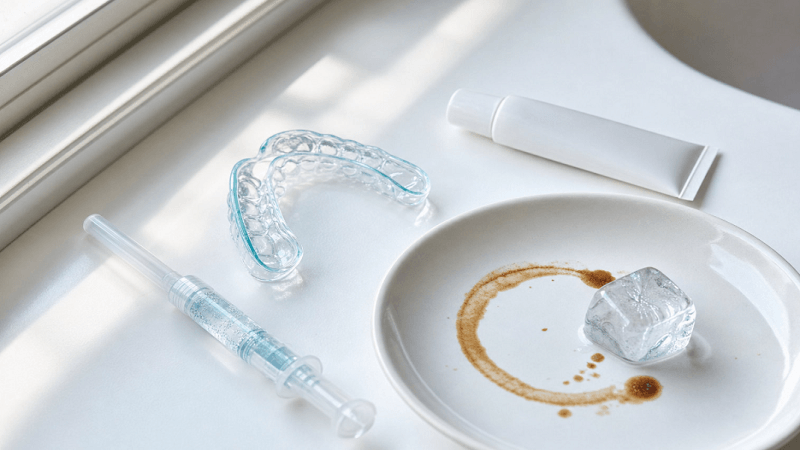
Teeth whitening is a popular option for those seeking a brighter smile, but it frequently raises concerns about tooth sensitivity. This article explains current whitening methods, what causes sensitivity, who is most at risk, and ways to help ensure safe and comfortable treatment outcomes.
With more adults and families considering cosmetic dental care, questions about safety and side effects are increasingly common. Teeth whitening is often the first aesthetic procedure people try, yet sensitivity remains a leading concern. Knowing what to expect and how to minimise discomfort is important for anyone thinking about whitening treatment. In many cases, dentists in London can provide tailored advice based on your dental health, helping you to make informed and comfortable choices.
How professional whitening treatments actively brighten teeth
Most whitening treatments use peroxide-based gels to address stains on teeth. The active ingredients break down both surface and internal discolouration, which can result in a lighter shade. The effectiveness is generally based on the concentration of peroxide and the duration the gel remains on the enamel.
Some products mainly remove stains caused by food, drinks, or smoking at the surface, while others penetrate beneath the enamel to target deeper-set stains. The term “lifting stains” refers to chemical reactions that break apart the molecules responsible for colouration within tooth structure.
Comparing at-home, in-clinic, and over-the-counter options
Dentist-administered in-chair whitening tends to produce quick, visible results because it uses concentrated gels under professional supervision. This professional care helps protect gums and ensures accuracy, with treatments often finished in a single visit.
A take-home kit, prescribed by your dental provider, typically involves custom trays with lower-strength gels. Marylebone Implant Centre may guide patients on how to use these kits safely, allowing for gradual whitening over one or two weeks. Over-the-counter strips, gels, and toothpastes are convenient but deliver more subtle results due to lower concentrations of bleaching agents.
Selecting the right option depends on your aims, budget, and oral health. Professional dental treatments offer supervision and may lower risks, though some people try supermarket kits for convenience. No method is entirely without risk, so understanding possible side effects helps with making safe decisions.
Why teeth become sensitive during and after whitening
Sensitivity may develop when whitening increases fluid movement within dentinal tubules, microscopic channels that transmit sensations from the enamel surface to nerves inside your teeth. Even a brief disruption can make hot or cold sensations feel more intense than normal.
Enamel serves as a protective layer. If it is thin or worn, the dentine beneath becomes more exposed, increasing the chance of sensitivity during whitening and everyday eating or drinking. Some people have naturally more permeable teeth and may be more prone to discomfort after cosmetic or whitening treatments.
Frequent intake of acidic drinks, vigorous brushing, gum recession, or existing cracks may contribute to enamel wear and greater sensitivity risk. People with untreated tooth decay or those who undergo whitening frequently can be more likely to experience symptoms. Maintaining enamel health and spacing out treatments may help reduce problems.
Reducing the risk and knowing when caution is needed
If you experience sensitivity or have signs of weakened enamel, using toothpastes with potassium nitrate or stannous fluoride can sometimes help ease nerve sensations and form a partial barrier. Spacing whitening sessions and limiting their duration may further reduce the chance of adverse effects.
It is suggested to avoid very cold foods and drinks during and after whitening, use a soft toothbrush, and pause treatment if symptoms become severe. You should not start whitening if there is sharp pain, gum inflammation, visible areas of decay, or irregular colour patches, as these may signal other dental conditions. Consulting a dental professional is always advisable before beginning or resuming whitening, especially if you are concerned about dental health.
Results depend on the type of stains present, enamel thickness, and habits like smoking or regular coffee consumption. While many see noticeable improvement, whitening treatments will not change the shade of crowns or fillings. Maintaining results relies on stain prevention and consistent oral care. Regular dental check-ups, good hygiene, and informed decisions may help whitening treatments remain safe and effective.